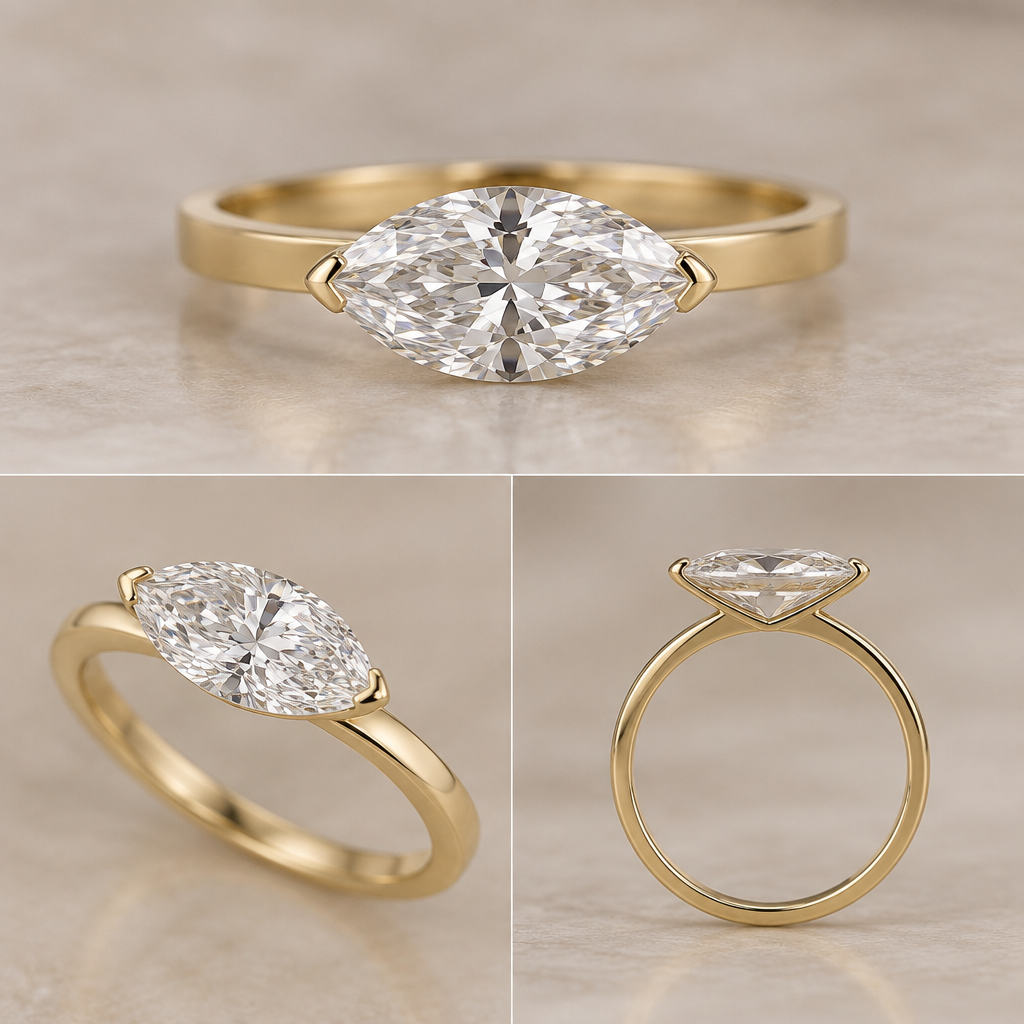
A women's ring, detailed and decorative, moderately ornate. Create a photorealistic high-end jewelry design featuring my actual 1.90 ct laboratory-grown marquise diamond, measurements 12.81 × 6.39 × 4.11 mm, E color, VS2. Preserve those exact proportions and do not substitute a generic marquise. Mount the marquise east-to-west (horizontal) on a straight, perfectly flat 2.0 mm yellow-gold band. The design should be exceptionally minimal and refined. The diamond should look substantial but correctly scaled to the 2 mm band, not artificially enlarged. Do not make the diamond wider, longer, or visually oversized relative to its stated measurements. Create a floating solitaire appearance. Use only the minimum metal necessary to secure the diamond: two microscopic, narrow claw prongs at the extreme left and right points, gripping the girdle. The claws should be flat and delicate and should NOT extend outward beyond the diamond's points. No round or spherical prongs. No ball prongs. No V-prongs. No chevrons. No bezel. No halo. No decorative metal around the stone. Use an extremely thin, recessed structural gallery beneath the diamond. Keep the pavilion properly supported while making the support visually disappear from the top view. The flat 2 mm band should remain clean and uninterrupted. The goal is not to make the diamond look enormous. The goal is to make a correctly proportioned 1.90 ct marquise appear effortlessly suspended over a very thin band. Make the construction physically plausible for a real professional jeweler to fabricate and suitable for daily wear. Preserve realistic diamond depth; do not flatten the stone. Show the same ring from front, side, and three-quarter views, with consistent proportions between all three views. Polished solid yellow gold, no other gemstones, understated luxury jewelry photography.
Keep exploring
More Modern
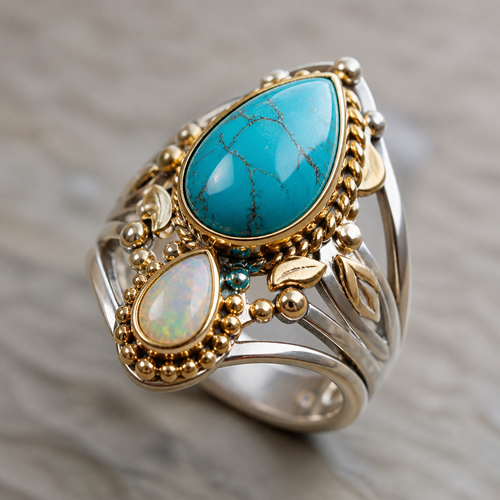
A modern women's ring made of mixed metal with turquoise and opal stones suitable for festival. A modern women ring with...
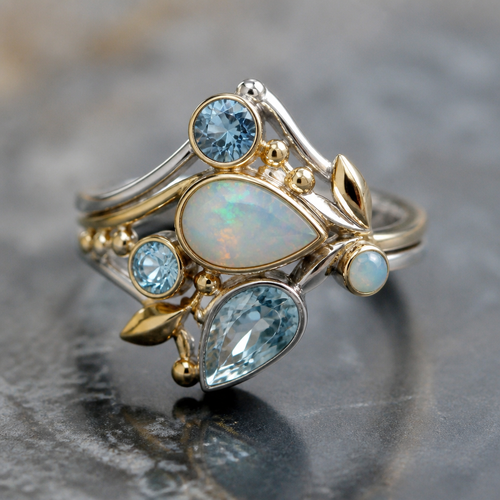
A modern women's ring made of mixed metal with opal and topaz and aquamarine stones suitable for festival. A modern wome...
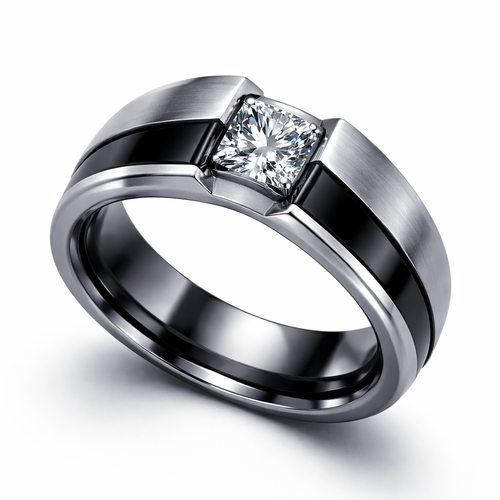
A modern men's ring
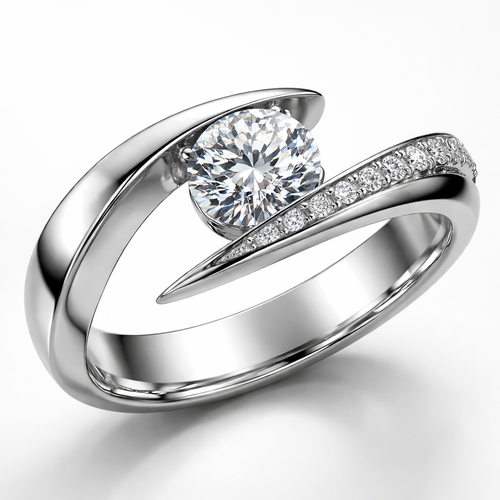
A modern women's ring
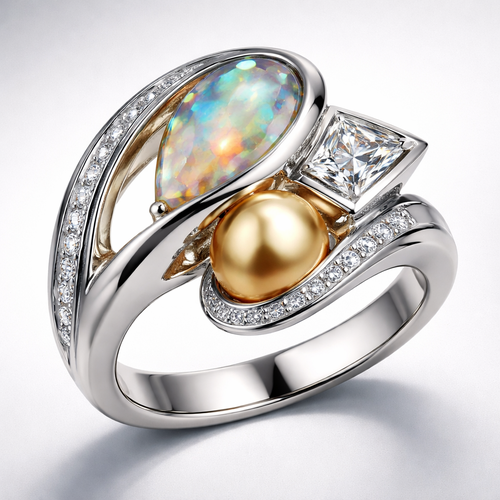
Modern and new unique
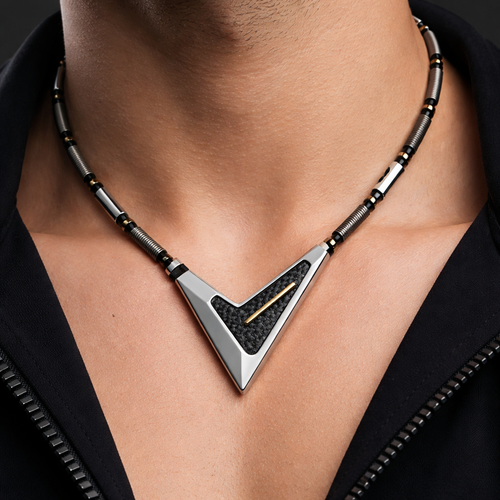
Men unique modern necklace
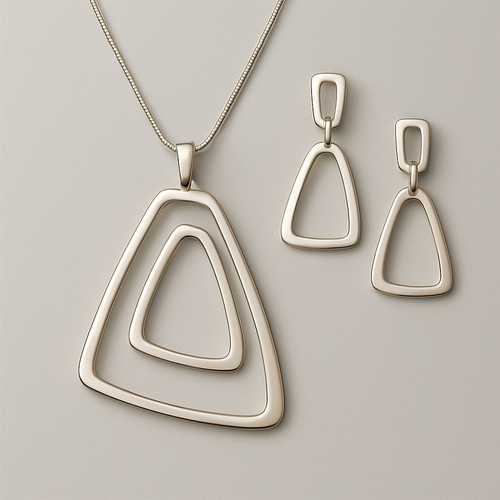
Modern
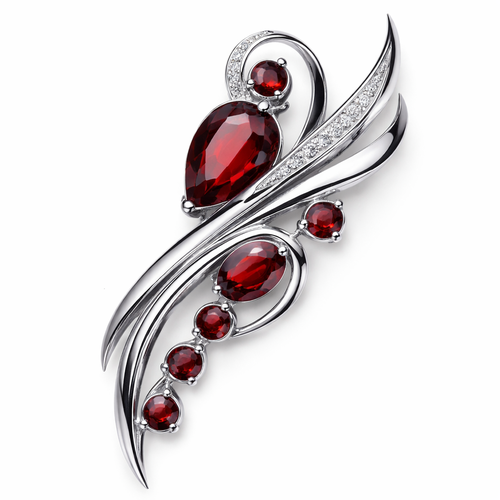
A modern women's brooch with garnet stones
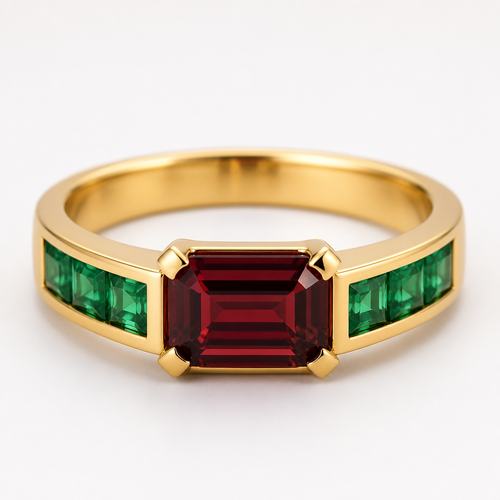
A modern women's ring made of gold with garnet stones. tsavorite, emerald cut, east west setting modern
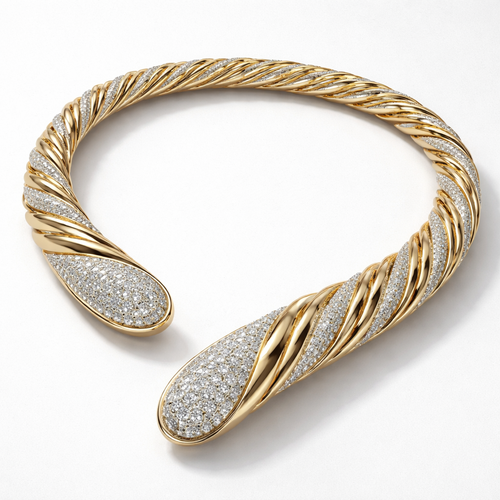
A flexible twisted modern necklace with diamond and gold
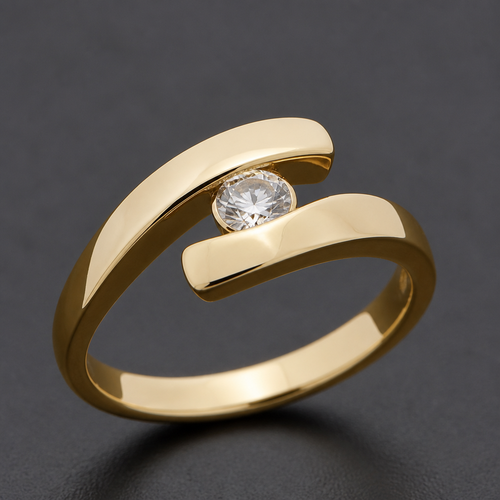
A modern women's ring
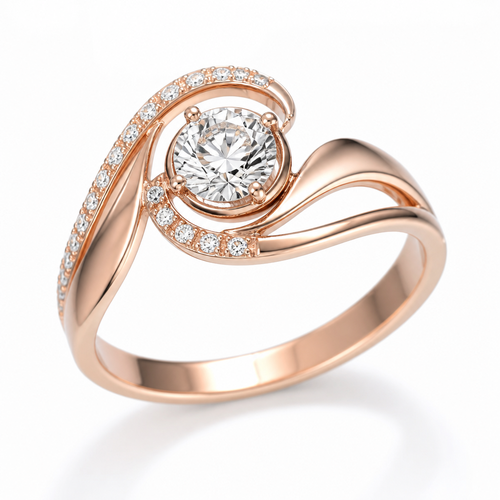
A modern women's ring
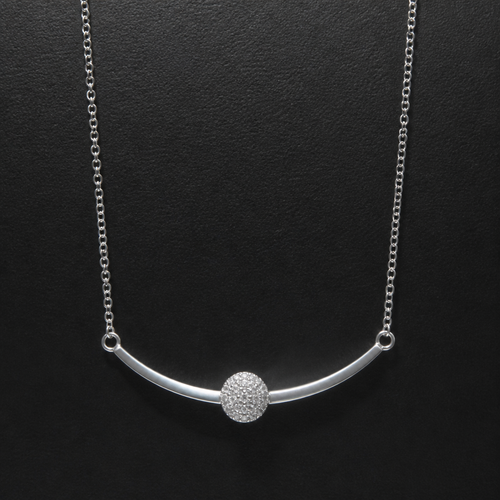
A modern women's necklace
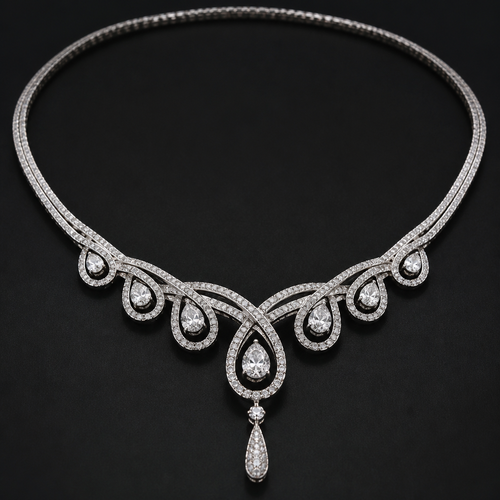
Representation of modern luxury
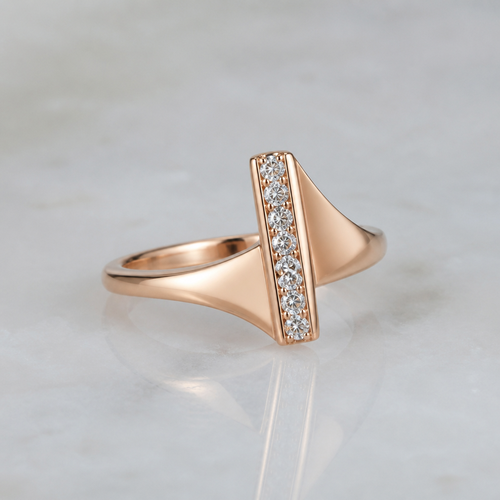
A modern women's ring
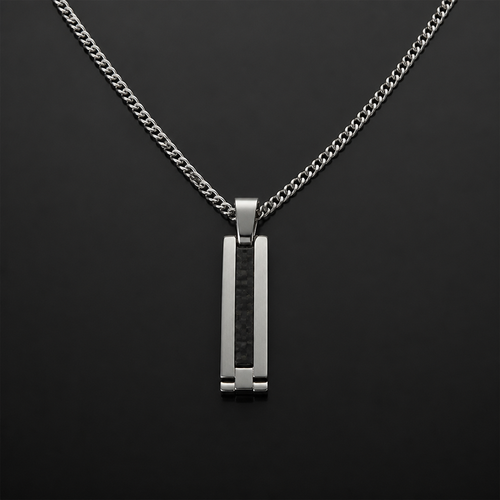
A modern men's necklace
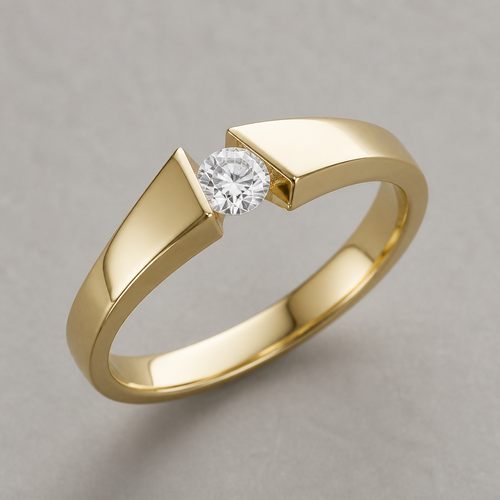
A modern women's ring
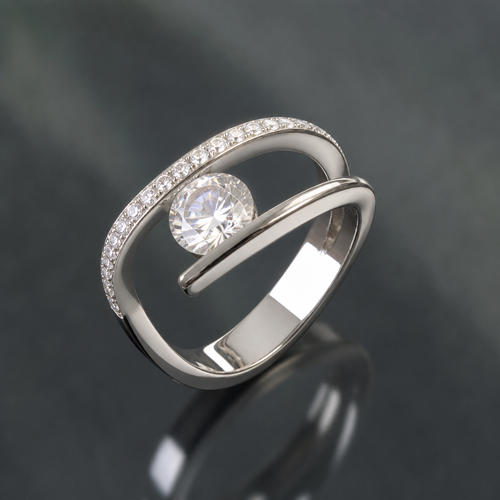
A modern women's ring
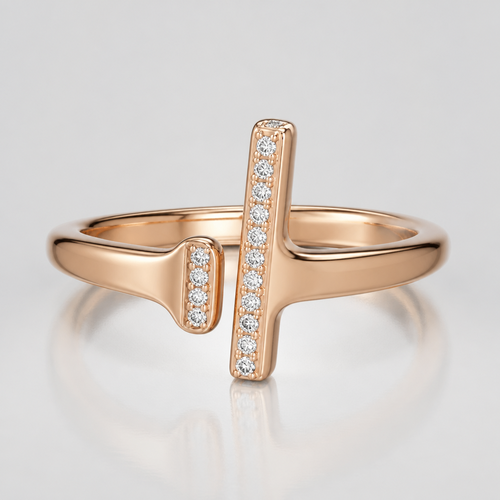
A modern women's ring
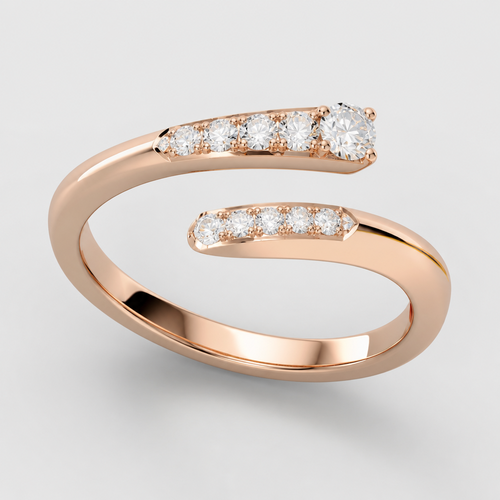
A modern women's ring
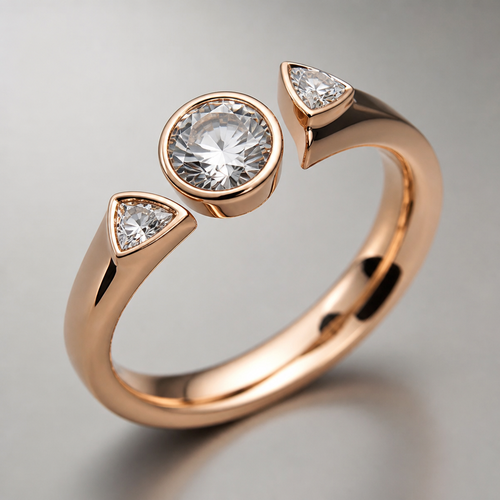
A modern women's ring
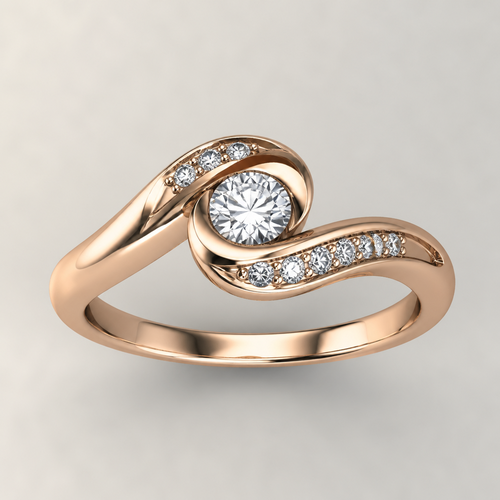
A modern women's ring
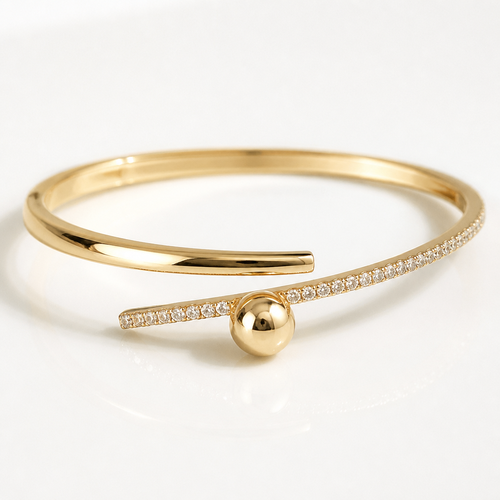
Modern women's bracelet
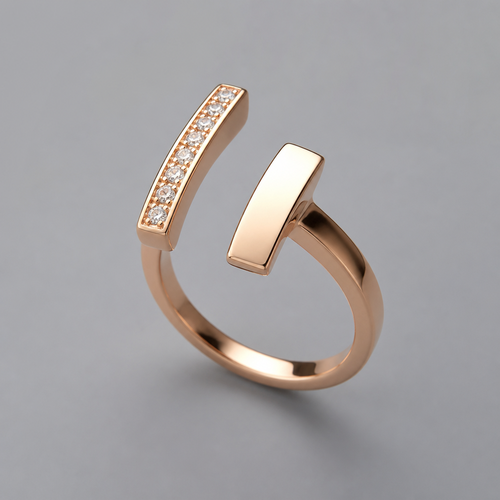
A modern women's ring
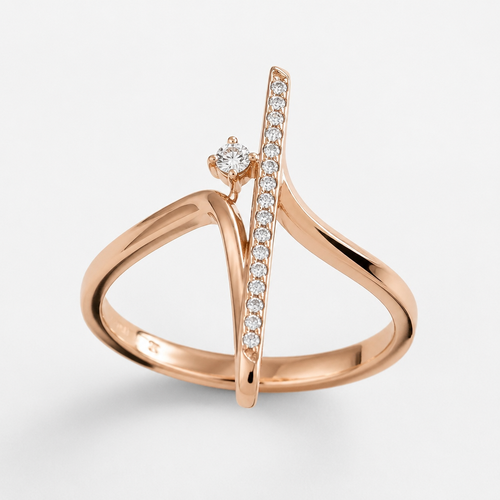
A modern women's ring
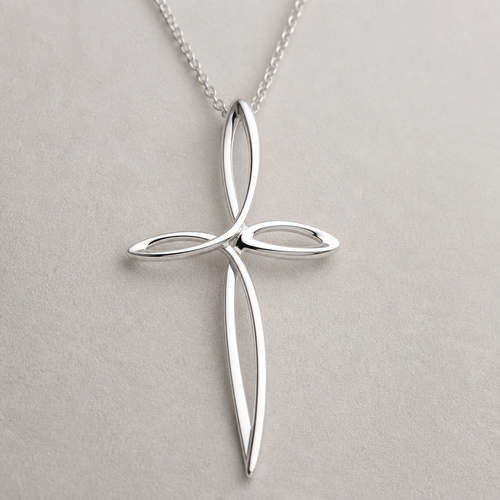
A modern women's pendant made of silver suitable for daily wear. An extraordinary excellent beautiful delicate and elega...
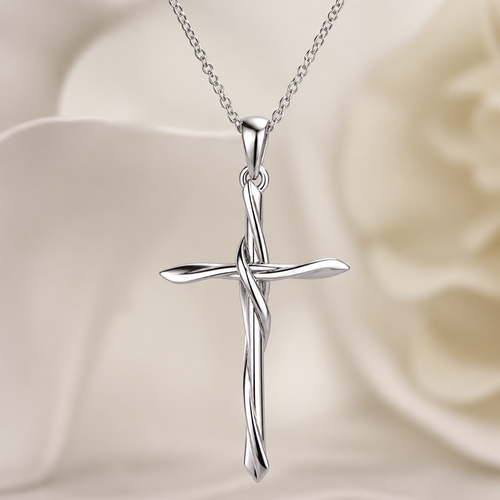
A modern women's pendant made of silver suitable for daily wear. An extraordinary excellent beautiful delicate and elega...
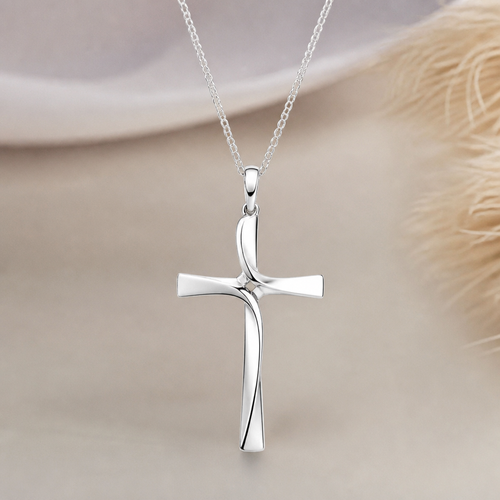
A modern women's pendant made of silver suitable for daily wear. An extraordinary excellent beautiful delicate and elega...
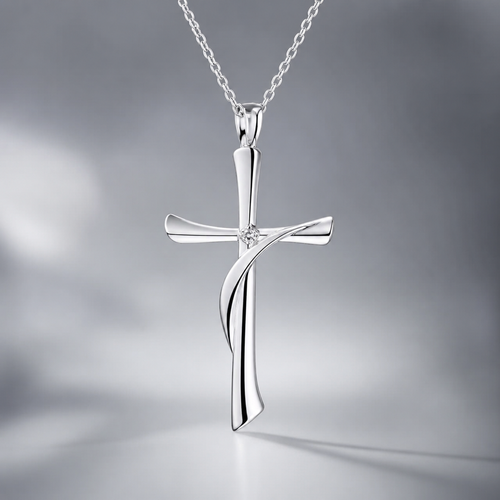
A modern women's pendant made of silver suitable for daily wear. An extraordinary excellent beautiful delicate and elega...
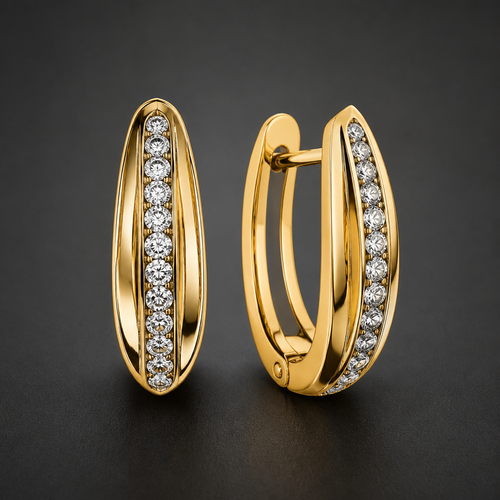
A modern women's earrings made of gold with diamond stones. I want to make this type of earrings with a modern touch and...
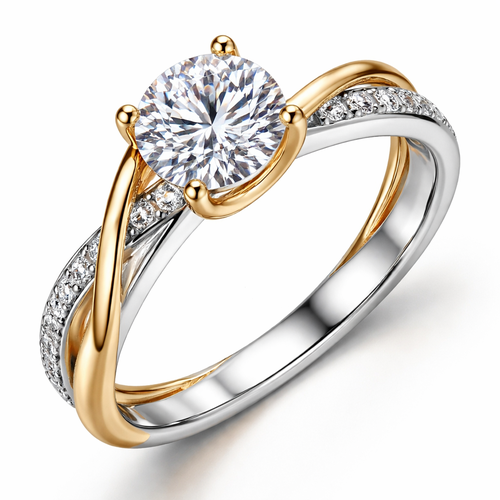
A modern women's ring made of silver with diamond stones suitable for engagement. A cute women's ring with modern style ...
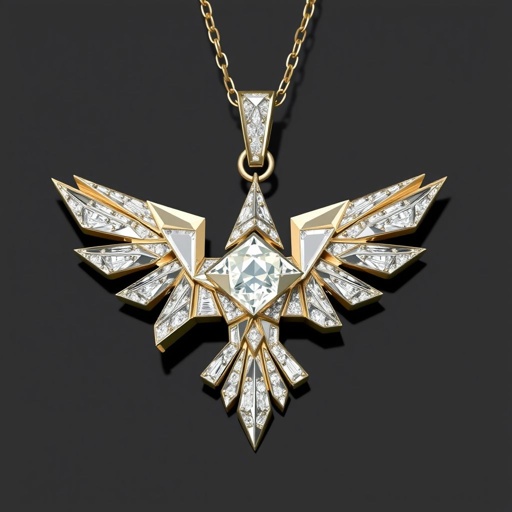
Modern Geomatric modern eagle pendant of diamonds of architecture and volume and egey shapes
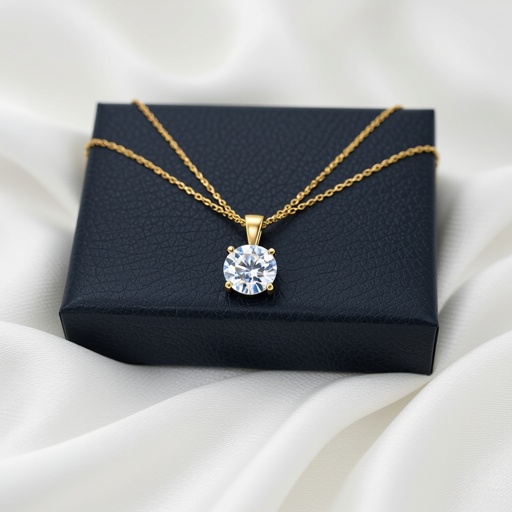
Moissanite kundan necklace for Asian girl
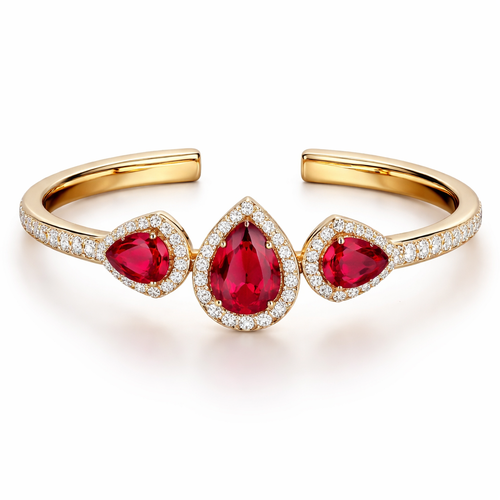
A modern women's bracelet made of gold with ruby and diamond stones
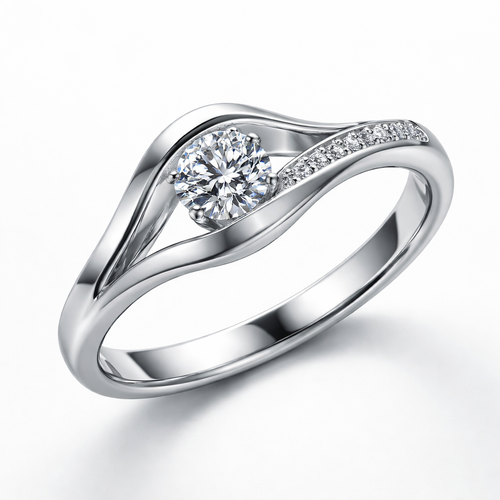
A modern women's ring
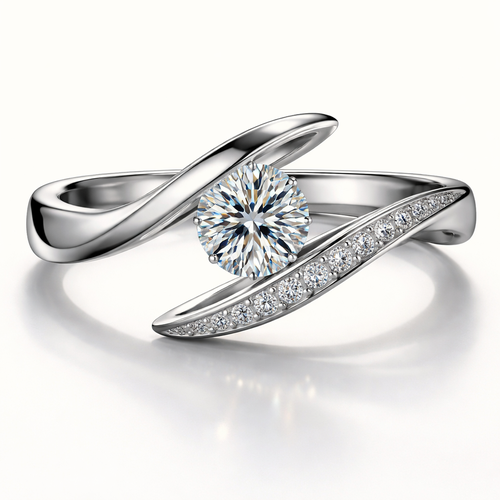
A modern women's ring
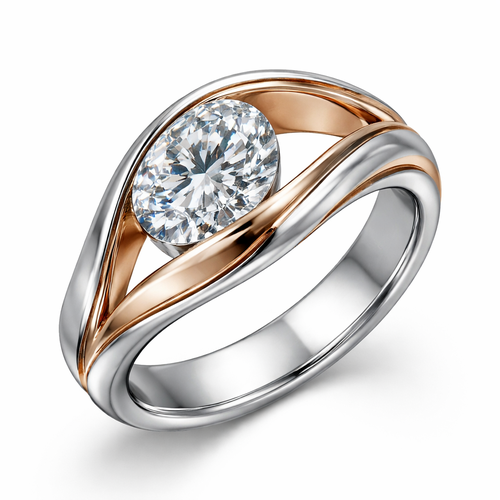
A modern women's ring
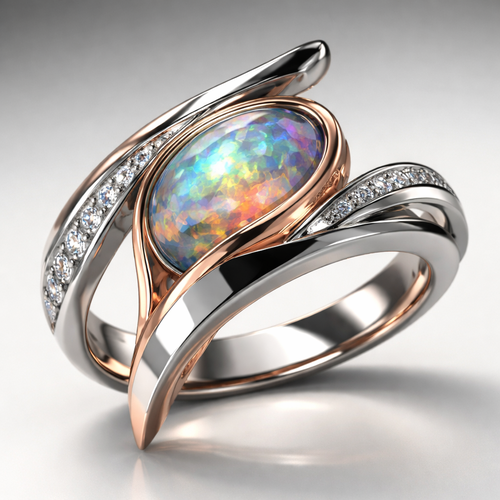
Modern and new unique
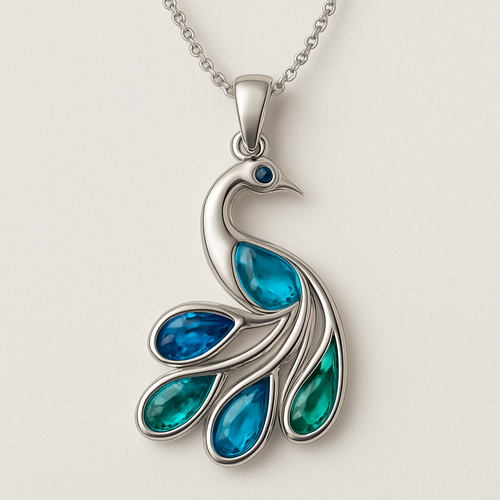
A modern peacock pendant
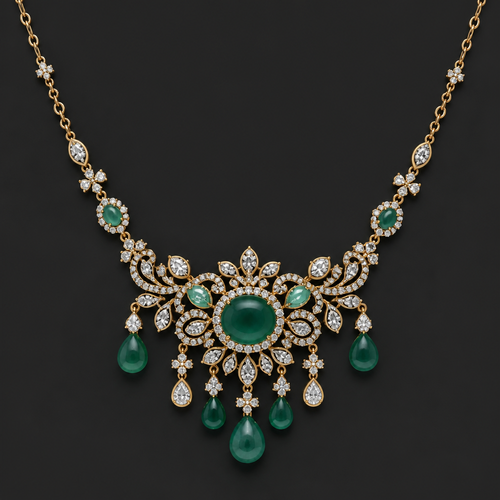
Modern
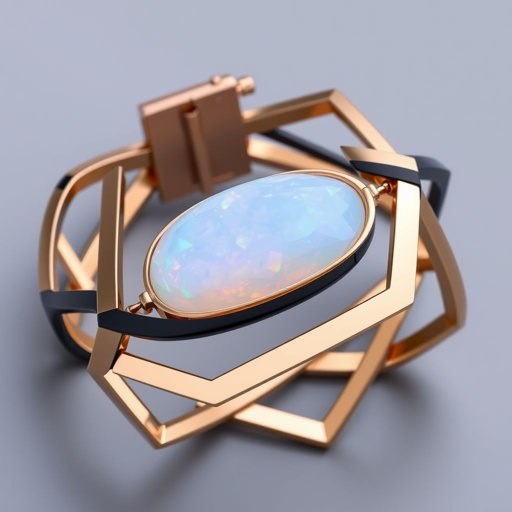
Modern
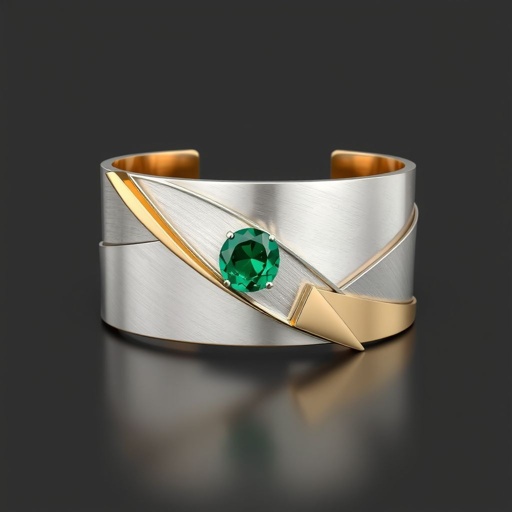
Modern