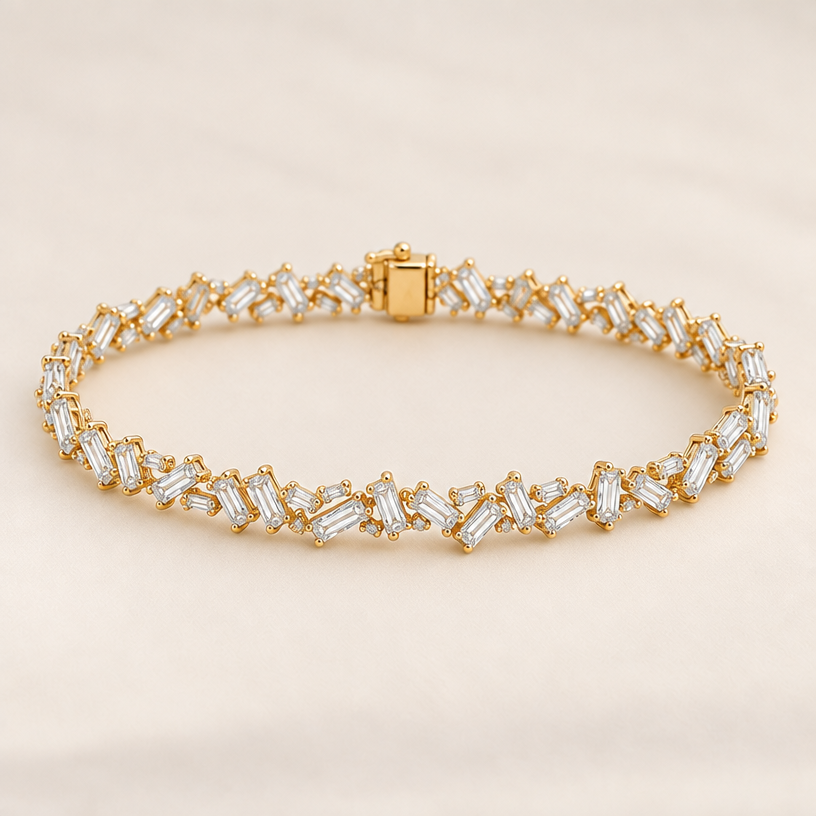
DIT THE CURRENT BRACELET TO MAKE IT MUCH THINNER, FINER, MORE DELICATE, ELEGANT, AND LUXURIOUS. Keep the concept of randomly oriented baguette-cut diamonds, but completely reduce the current bulky, crowded, chunky appearance. The bracelet should consist of one narrow continuous row of slim, elongated clear baguette-cut diamonds, arranged organically at different angles. The diamonds should look like they are gently scattered along a single line, not piled into several rows and not forming a wide diamond cluster. VERY IMPORTANT: REDUCE THE WIDTH OF THE BRACELET SIGNIFICANTLY. The finished bracelet should be approximately one-third of the current visual width. It must look like a refined fine-jewelry bracelet, not a statement cuff or chunky tennis bracelet. Use slender, elegant baguette diamonds of slightly varying lengths. Arrange them in an intentionally irregular pattern: some nearly vertical, some slightly diagonal to the left or right, and occasional baguettes at stronger angles. However, keep the arrangement controlled, graceful and sophisticated. The stones should appear randomly scattered while still creating a beautiful continuous rhythm around the bracelet. Do NOT stack multiple baguettes on top of each other. Do NOT create dense piles of stones. Do NOT create several rows. Most stones should sit individually beside or very slightly overlap neighboring stones, forming essentially one irregular row of baguettes. The original inspiration has a distinctive “scattered baguette” effect: imagine many tiny rectangular diamond bars gently falling onto a thin bracelet and landing at slightly different angles. The result should feel spontaneous and irregular, but still extremely polished and expensive. Make the individual baguette diamonds smaller, narrower and more refined than those in the current image. There should be many fine baguettes rather than fewer oversized stones. Avoid large dominant diamonds. Keep their proportions elongated and rectangular, with
Keep exploring
See More
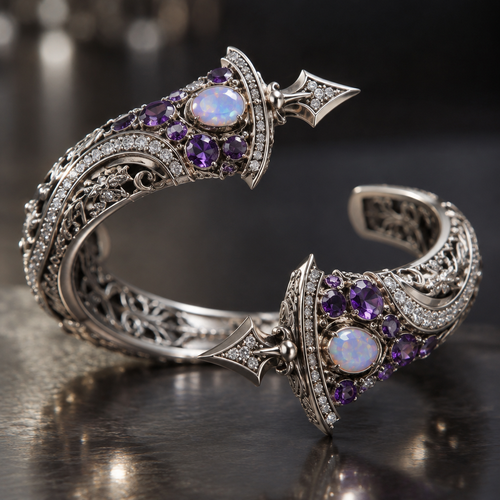
A victorian women's bracelet made of silver with opal and amethyst stones suitable for party. A thick, luxurious Gothic ...
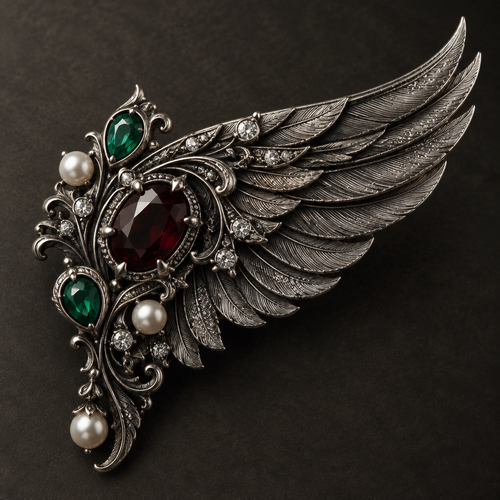
A victorian gothic women's brooch made of silver with diamond and garnet and pearl stones suitable for formal. A Gothic ...
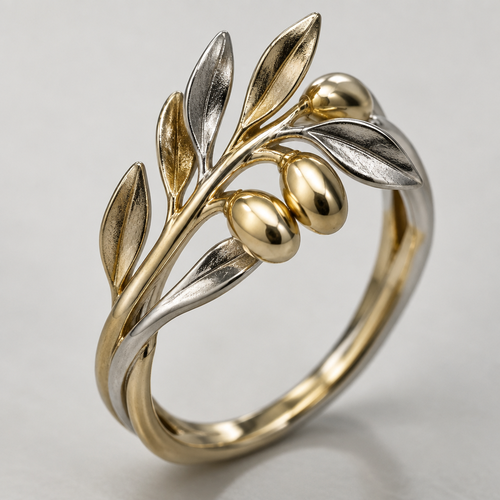
A women's ring. olive tree 3d gold and silver pendant
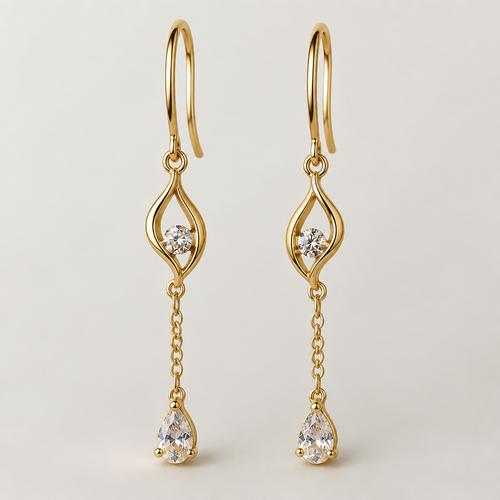
Dangle eaarings, gold, small ston
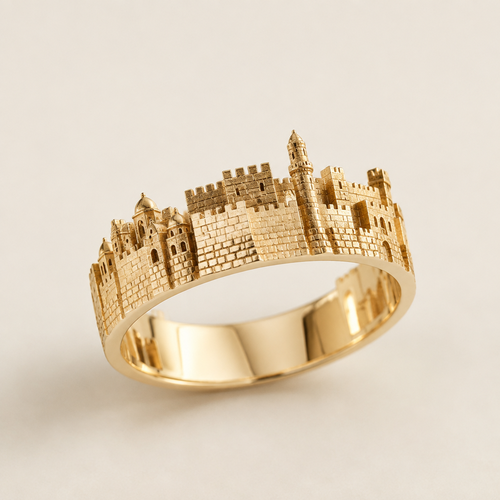
A women's ring. Jerusalem walls ring
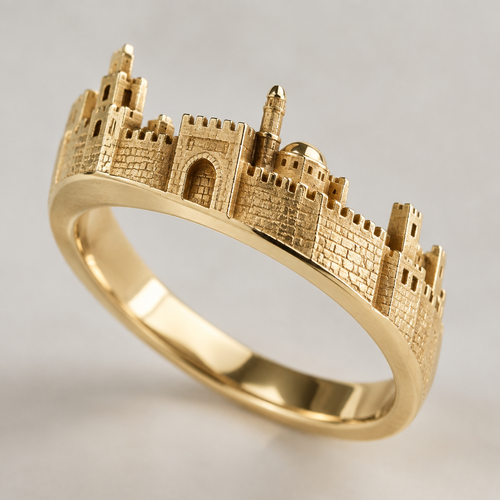
A women's ring. Jerusalem walls ring
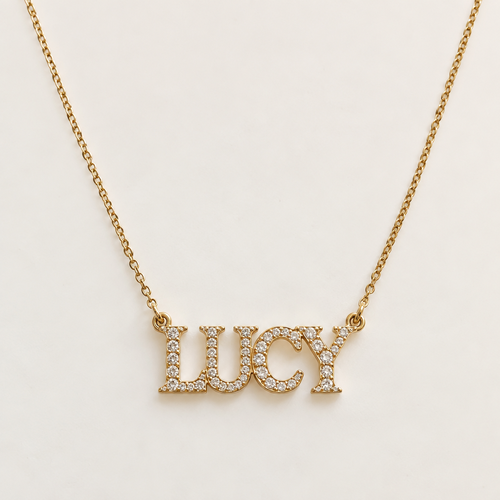
thin necklace with a pendant at the end that says LUCY in nice italian style writing. It is encrusted with some diamonds...
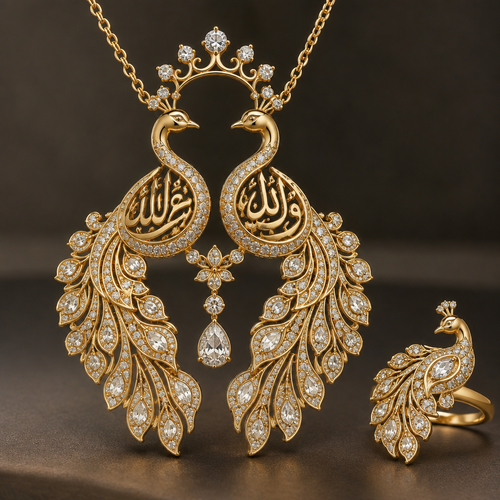
A women's ring, detailed and decorative, moderately ornate. gold pendant necklace, two ornate peacocks facing each other...
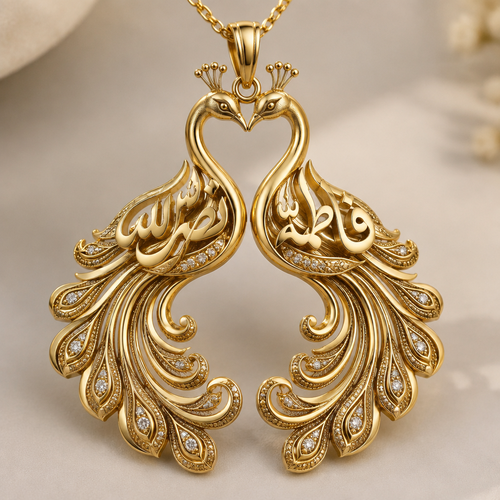
A women's ring, detailed and decorative, moderately ornate. "gold pendant necklace, two peacocks facing each other with ...
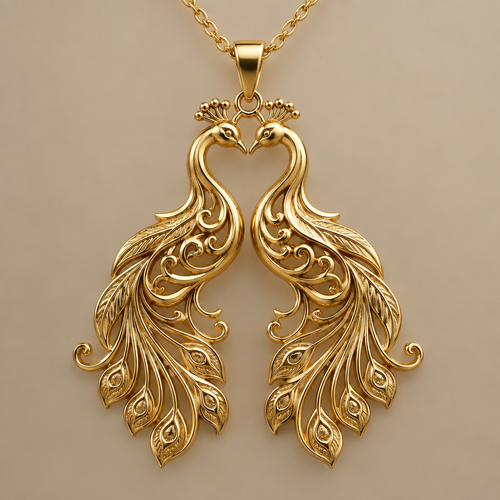
A women's ring, detailed and decorative, moderately ornate. gold pendant necklace, two peacocks facing each other with h...
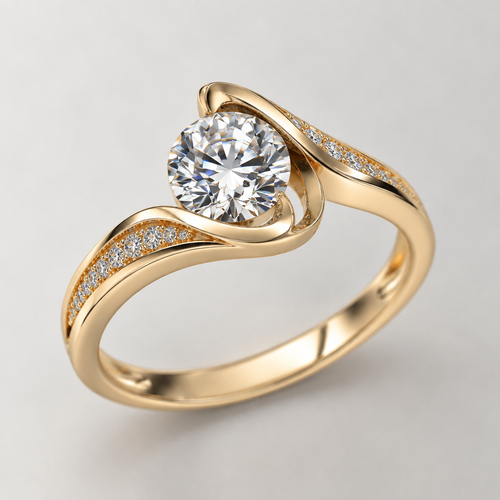
A women's ring
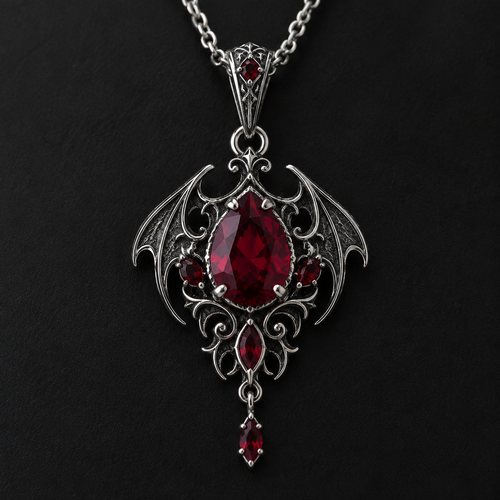
A gothic women's pendant made of silver with ruby stones suitable for birthday
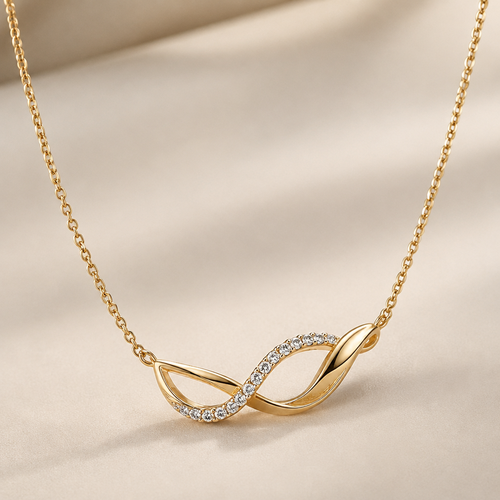
A women's necklace
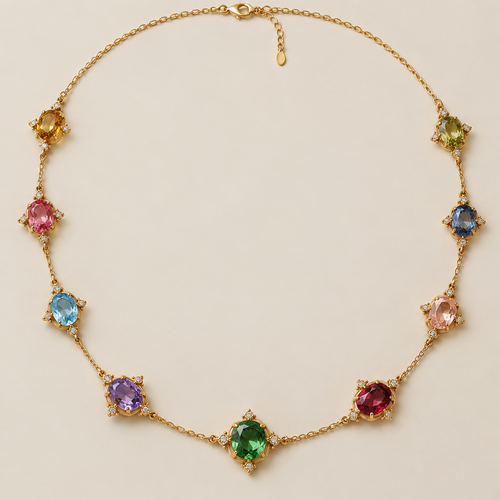
A minimalist women's necklace made of gold with topaz stones, highly ornate, intricate and elaborate, richly detailed. r...
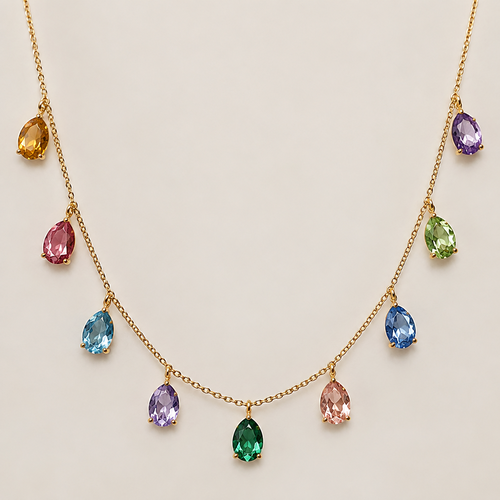
A minimalist women's necklace made of gold with topaz stones, detailed and decorative, moderately ornate. realizza una c...
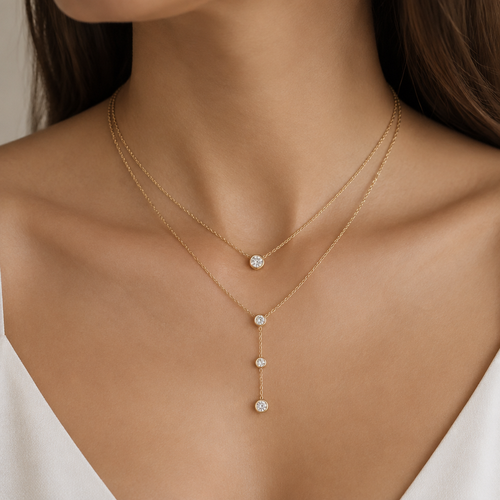
A minimalist women's necklace made of gold with diamond stones. collana a due fili, uno poi corro e l'altro poi lo lungo...
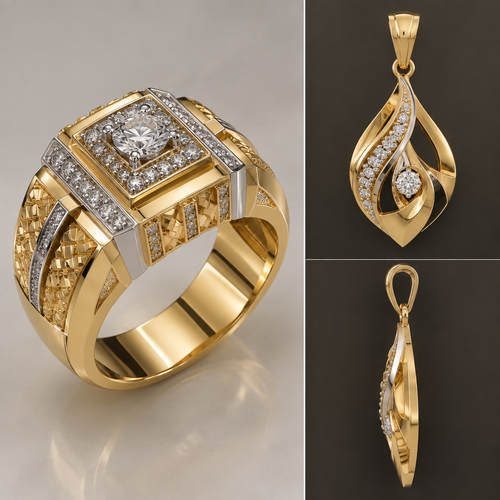
A men's ring suitable for anniversary, detailed and decorative, moderately ornate. Ek pendal ka design banaaiye do gram ...
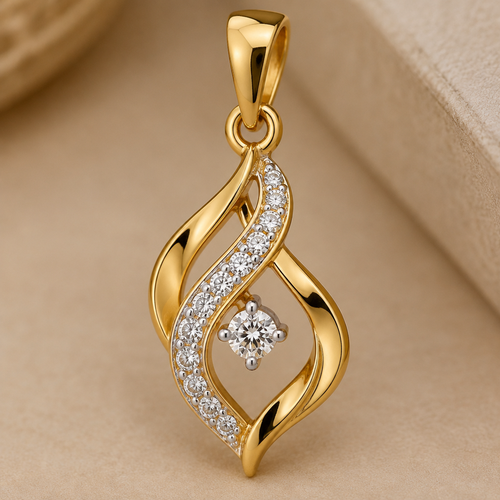
A women's ring. Ek pendal ka design banaaiye do gram ka 500 militant banaaiye
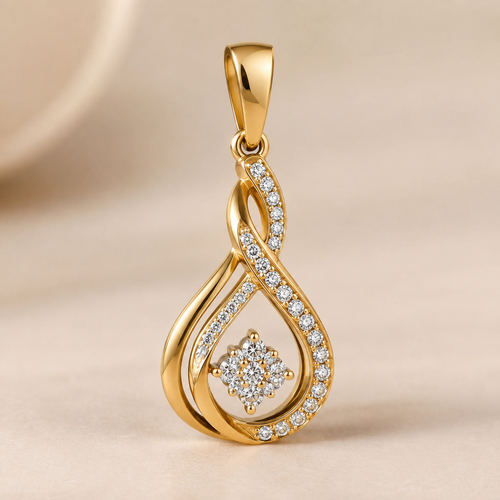
A women's ring. Ek pendal ka design banaaiye do gram ka
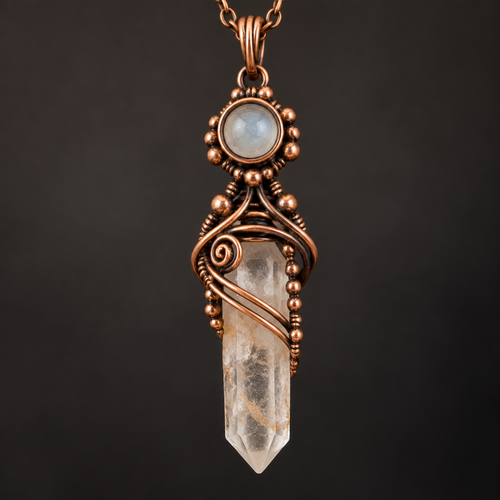
A beaded women's pendant made of copper, detailed and decorative, moderately ornate. wire wrapped raw quarts point with ...
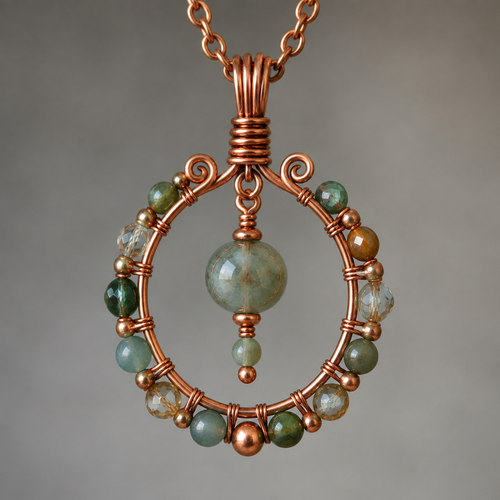
A beaded women's pendant made of copper. wire wraped ring with beads
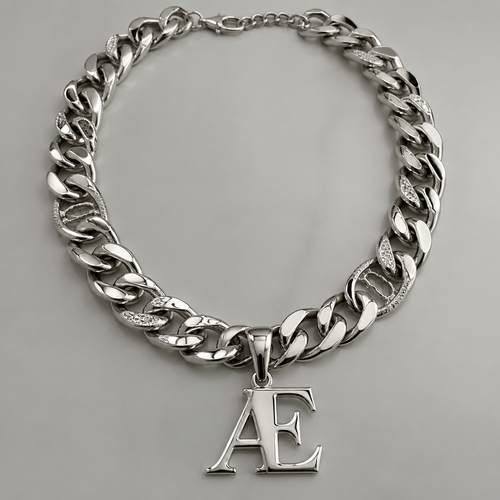
A modern women's necklace made of silver. A thick, 2 cm Cuban-style chain—though the design shouldn't be perfectly unifo...
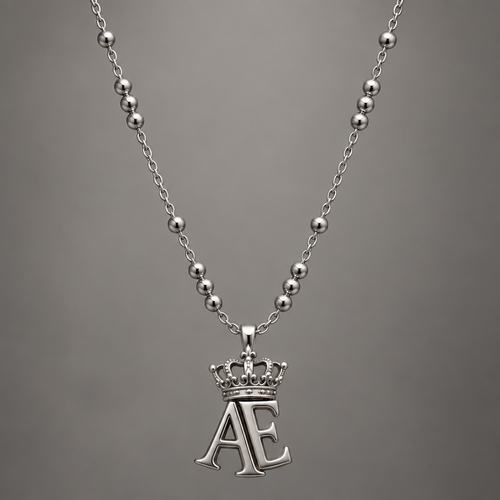
A modern women's necklace made of silver. I would like a rosary-style chain, but with a unique design. I want the pendan...
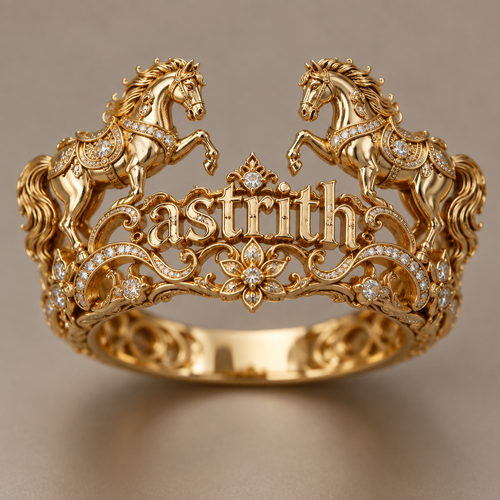
A asian-inspired women's ring made of gold with diamond stones suitable for birthday, highly ornate, intricate and elabo...
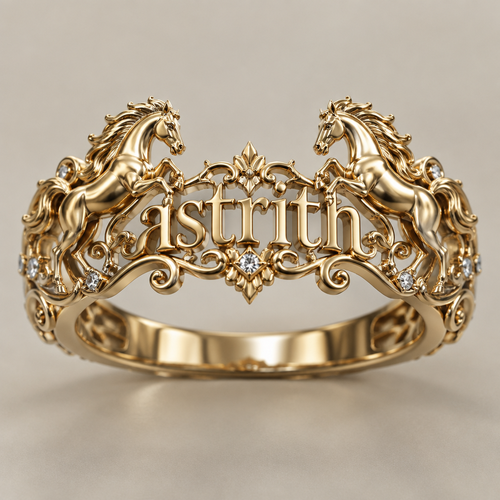
A women's ring, highly ornate, intricate and elaborate, richly detailed. quiero que el anillo tenga el nombre astrith en...
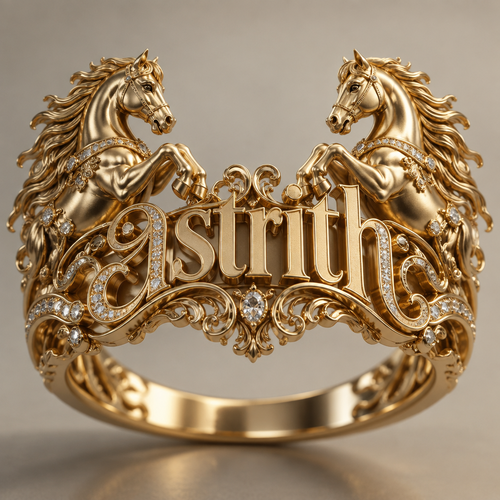
A women's ring, highly ornate, intricate and elaborate, richly detailed. quiero que el anillo tenga el nombre astrith en...
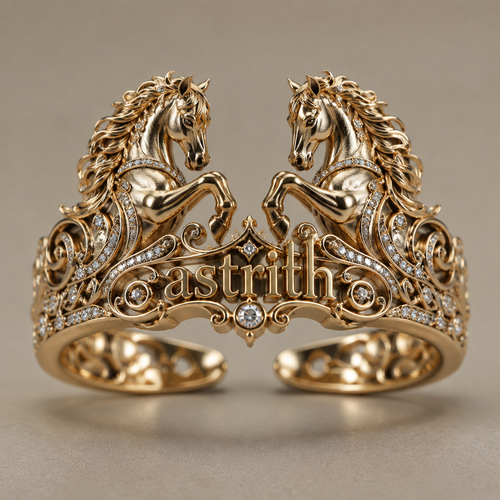
A women's ring, highly ornate, intricate and elaborate, richly detailed. quiero que el anillo tenga el nombre astrith en...
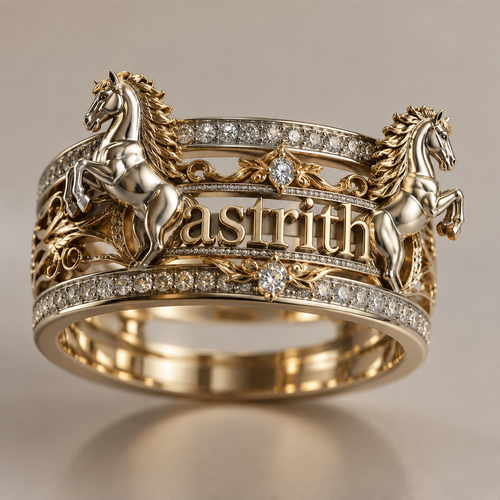
A women's ring, highly ornate, intricate and elaborate, richly detailed. quiero que el anillo tenga el nombre astrith en...
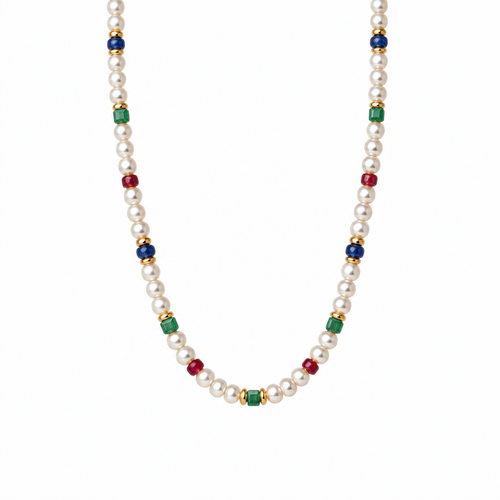
Restyled: make it with accent in smooth blue sapphire rondelle beads , ruby smooth rondelle beads, gold donuts spacer, g...
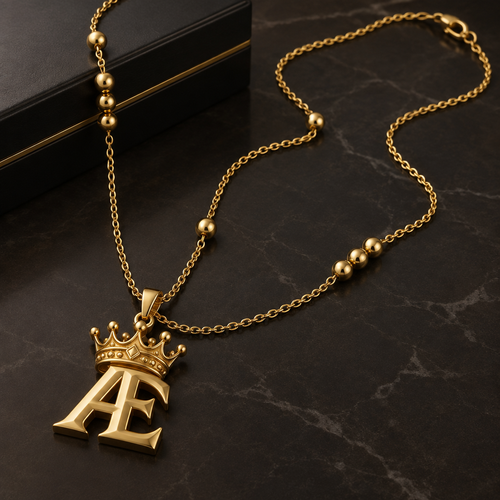
A modern men's ring made of gold. I would like a rosary-style chain, but a unique one. I want the pendant to feature two...
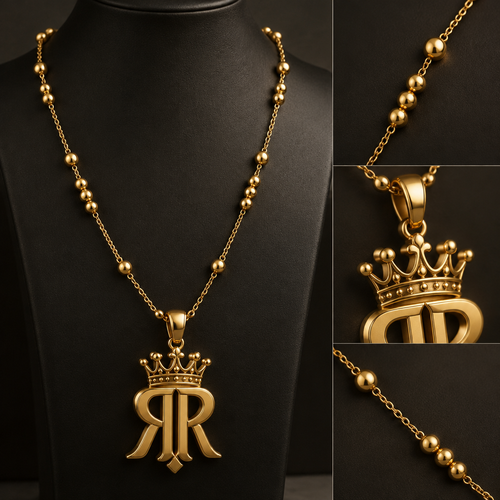
A modern men's ring made of gold. I would like a rosary-style chain, but a unique one. I want the pendant to feature two...
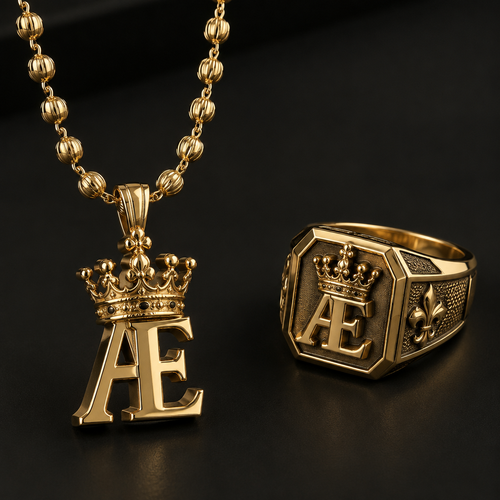
A modern men's ring made of gold. I would like a rosary-style chain, but a unique one, and I want the pendant to feature...
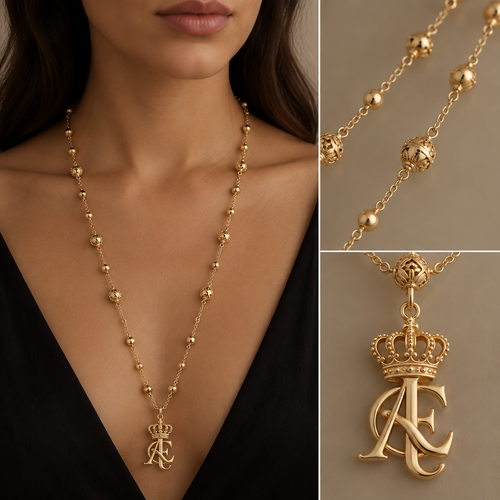
A modern women's necklace made of gold, detailed and decorative, moderately ornate. I want a rosary-style necklace, but ...
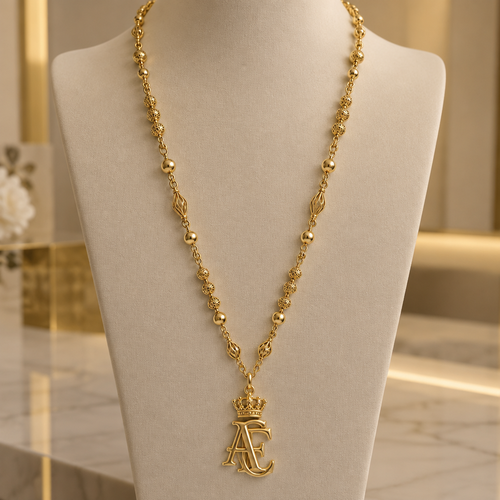
A modern women's necklace made of gold, detailed and decorative, moderately ornate. I want a rosary-style necklace, but ...
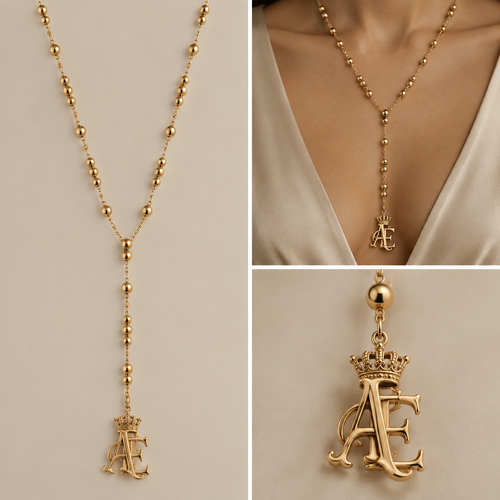
A modern women's necklace made of gold. I would like a rosary-style necklace, but instead of a cross at the end, I want ...
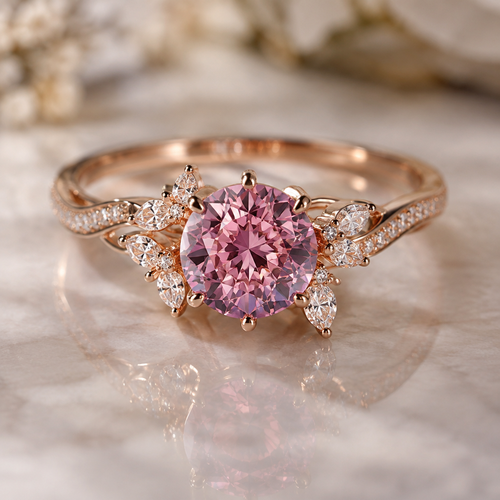
A bespoke/custom women's ring with garnet stones. Elegant but striking piece, lavender to pastel pink color-change garne...
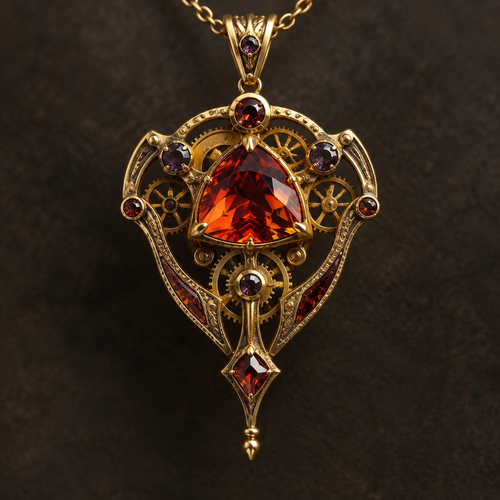
A steampunk women's pendant made of gold with garnet stones. Statement piece, fiery red ombre fade to striking orange tr...
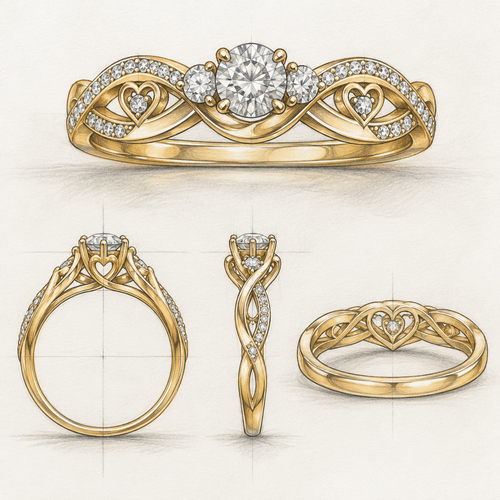
A bespoke/custom women's ring made of gold with diamond stones suitable for anniversary, detailed and decorative, modera...
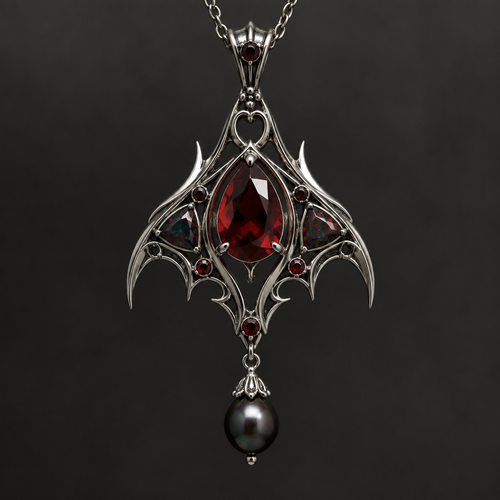
A gothic women's pendant made of silver with garnet stones. Statement piece, dark red fat pear cut, 1.2ct garnet as cent...
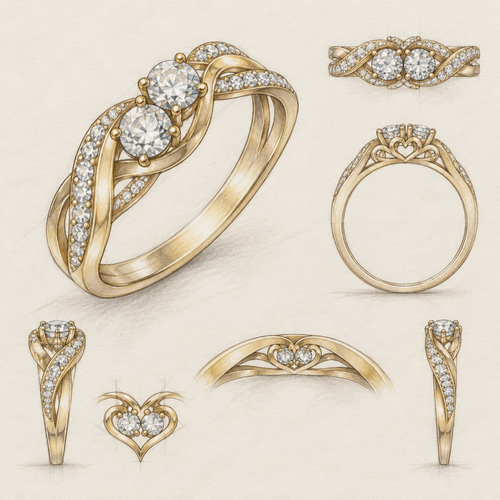
A bespoke/custom women's ring made of gold with diamond stones suitable for anniversary, detailed and decorative, modera...
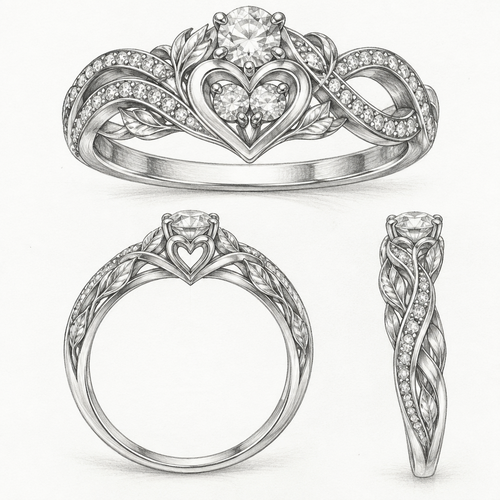
A bespoke/custom women's ring made of silver suitable for anniversary, highly ornate, intricate and elaborate, richly de...
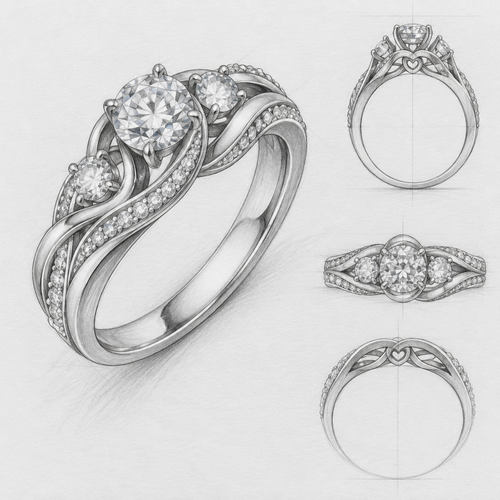
A women's ring, highly ornate, intricate and elaborate, richly detailed. crea un diseño a lapis un anillo elegante de m...