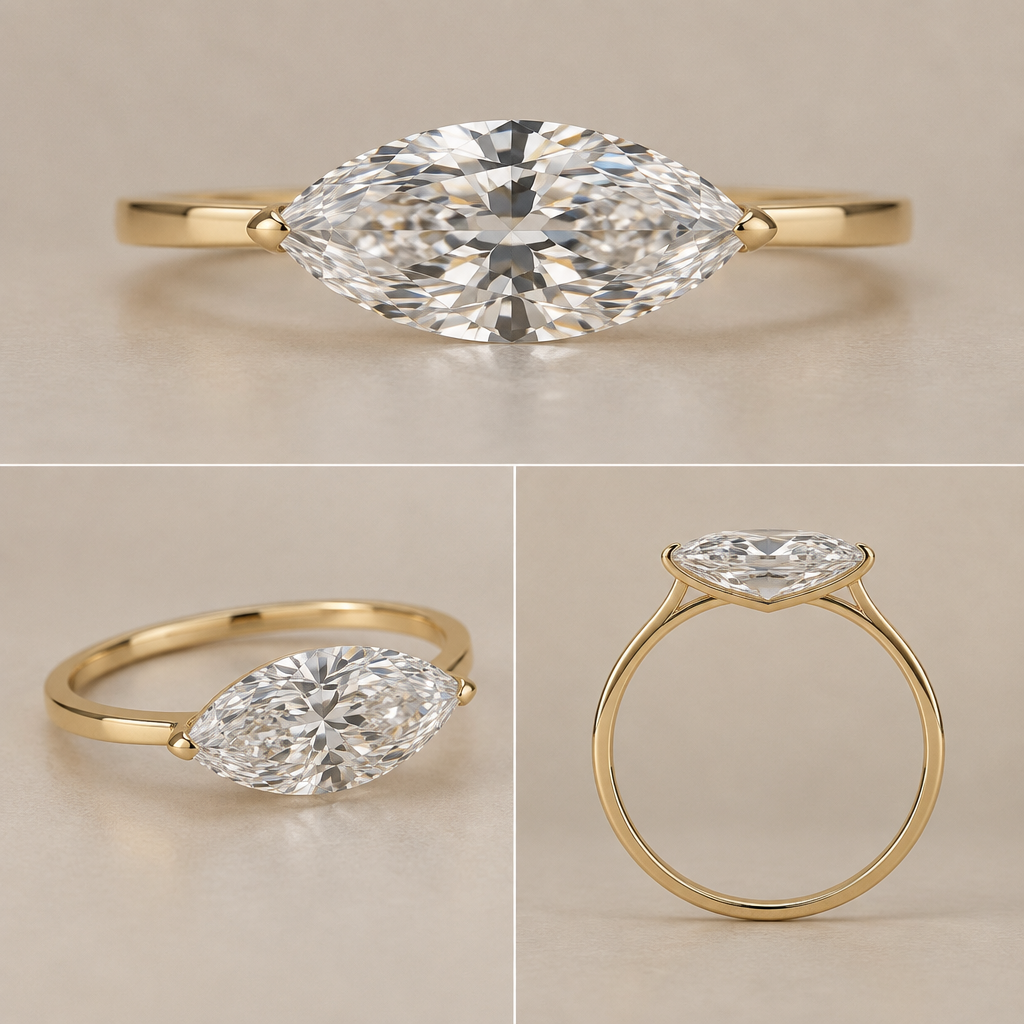
A women's ring, highly ornate, intricate and elaborate, richly detailed. High-end fine jewelry photorealistic rendering of a single 1.90 carat marquise-cut diamond mounted east-to-west on an exceptionally thin, flat 18k yellow-gold band. The diamond must dominate the design and appear almost floating when viewed from above. Use an extremely minimal semi-bezel / concealed under-gallery construction. The east and west tips of the marquise are captured by two tiny, refined yellow-gold point claws that flow directly and continuously from the shank. The claws should hug the diamond's points extremely tightly without covering the face-up outline. The crucial structural element is a very shallow, finely engineered gold support beneath the diamond's pavilion. This support forms a minimal cradle/under-gallery connecting the two sides of the ring and supporting the pavilion from below. It must be substantially concealed behind the diamond in the face-up view and become visible only in the 3/4 and true side views. It should be thin, elegant, and architectural—not a bulky basket. Do NOT attempt to suspend the diamond using only two isolated prongs. The hidden under-gallery is necessary structural architecture. Do NOT create a random gold lump beneath the culet. The support must follow the geometry of the pavilion and look intentionally fabricated as part of the setting. The band should transition smoothly into the east and west portions of the setting with no bulbous shoulders, upward hooks, decorative curves, or conventional four-prong/basket architecture. The face-up view should show essentially only the diamond, its two tiny point captures, and the thin flat gold band extending horizontally behind it. The diamond's entire face-up outline must remain visually unobstructed. No halo, no side stones, no decorative metal, no large bezel surrounding the stone, no visible gallery from the front. Show the exact same ring and exact same diamond in three views: (1) straight-on face-up view, (2) 3/4 view, and (3) true side/profile view. Maintain identical diamond proportions, orientation, scale, band width, and setting architecture across all three views. In the side/profile view, clearly show that the marquise pavilion is supported by a shallow, continuous, physically plausible gold under-gallery/cradle while maintaining reasonable clearance between the pavilion and the finger. The support should be elegant and minimal, similar to a high-end custom semi-bezel setting, rather than a traditional raised basket. Photorealistic high-end jewelry photography. Physically plausible jewelry construction. Realistic 1.90 ct marquise pavilion depth, realistic 18k gold thickness, realistic soldered/formed construction, secure stone retention, extremely refined proportions. Clean contemporary luxury, architectural minimalism, understated, no ornate details.
Keep exploring
More Modern
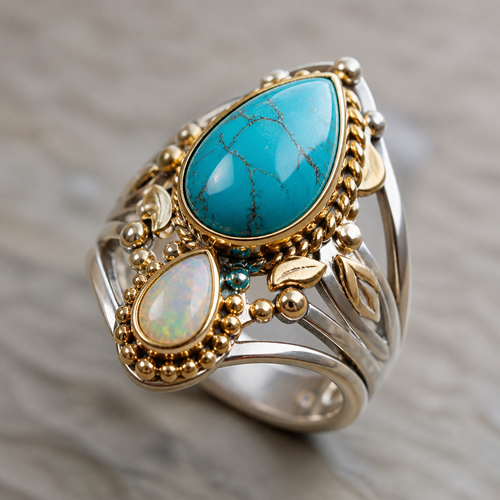
A modern women's ring made of mixed metal with turquoise and opal stones suitable for festival. A modern women ring with...
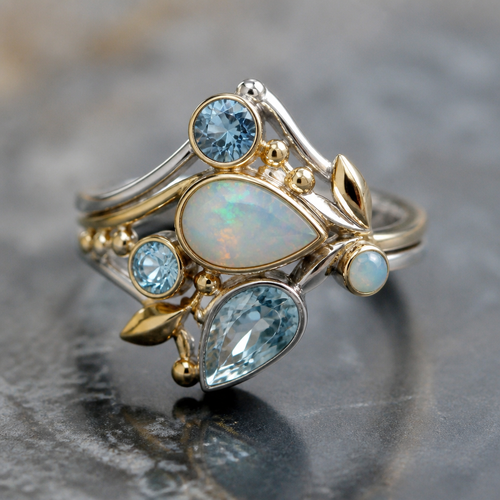
A modern women's ring made of mixed metal with opal and topaz and aquamarine stones suitable for festival. A modern wome...
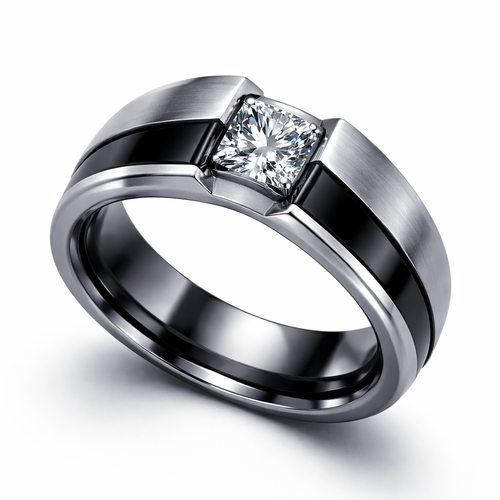
A modern men's ring
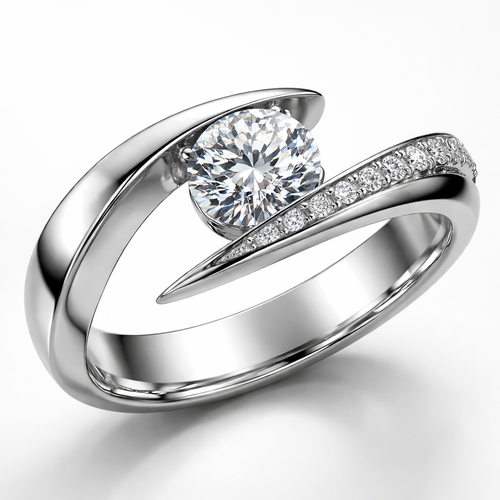
A modern women's ring
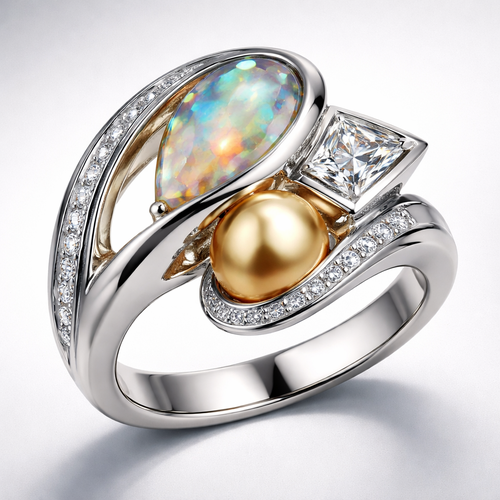
Modern and new unique
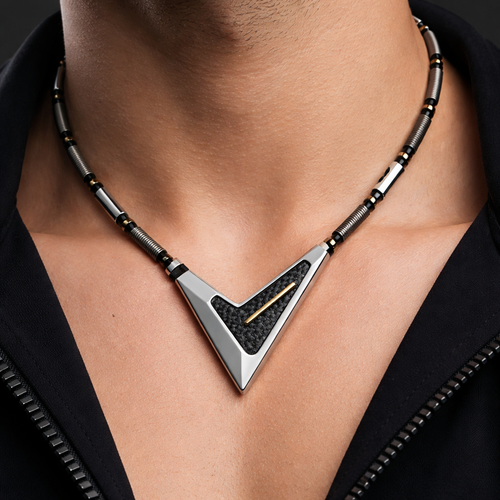
Men unique modern necklace
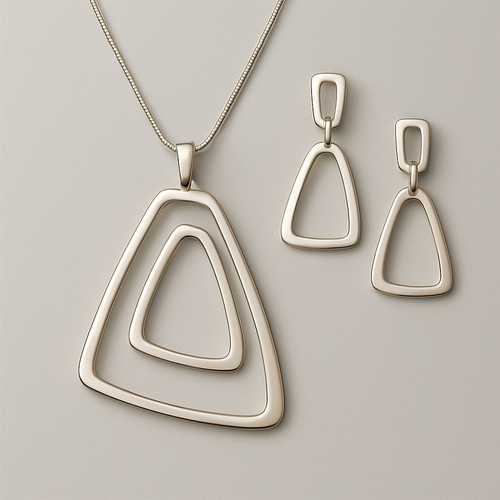
Modern
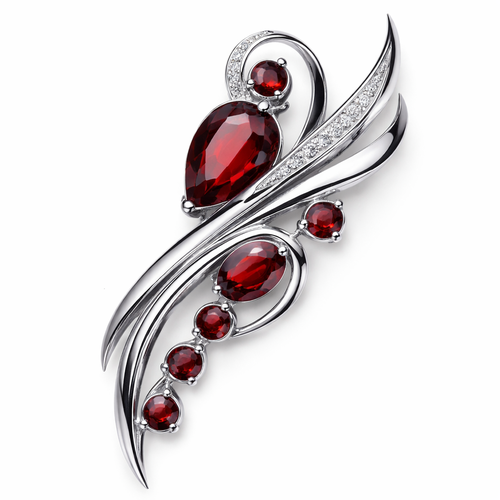
A modern women's brooch with garnet stones
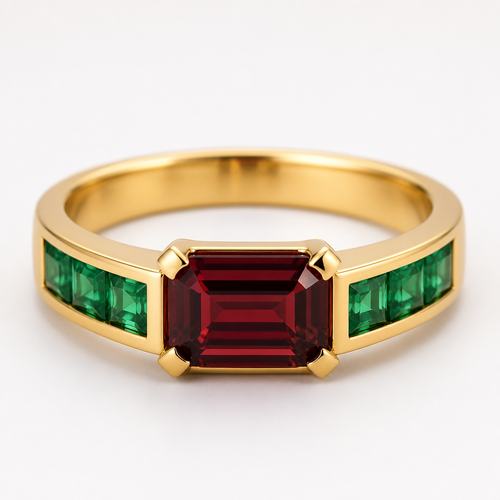
A modern women's ring made of gold with garnet stones. tsavorite, emerald cut, east west setting modern
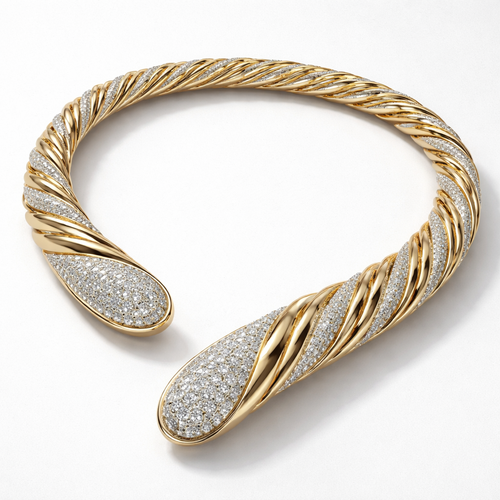
A flexible twisted modern necklace with diamond and gold
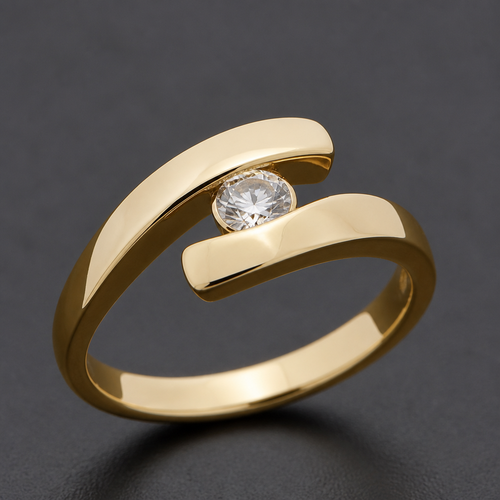
A modern women's ring
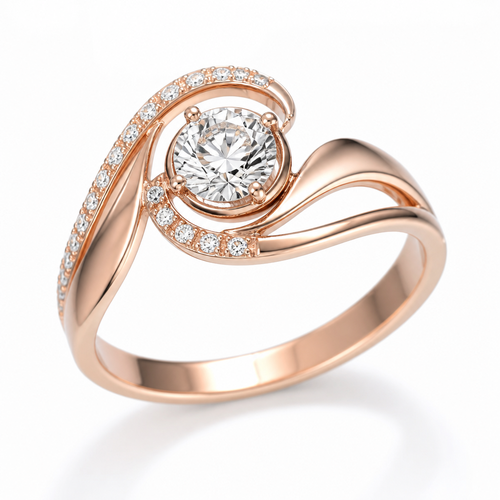
A modern women's ring
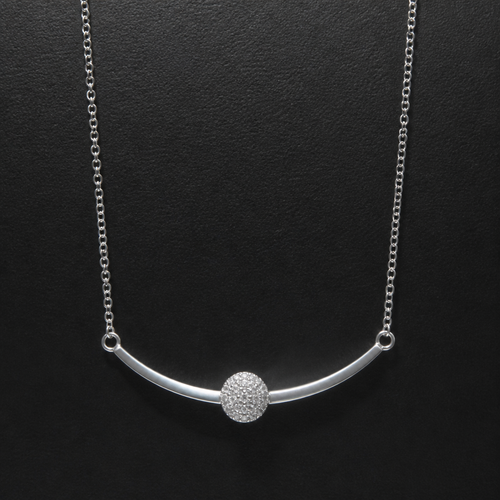
A modern women's necklace
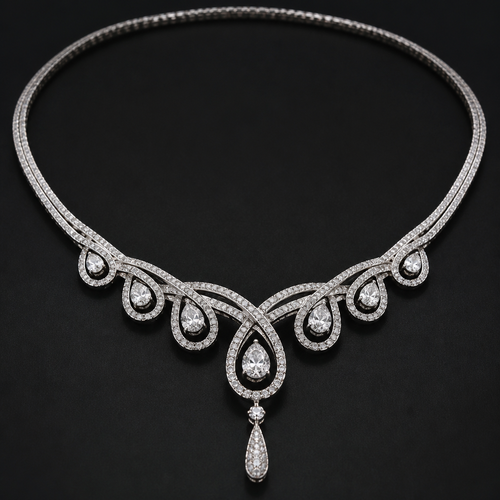
Representation of modern luxury
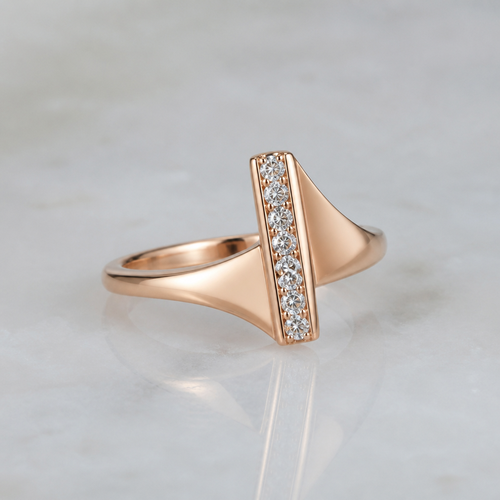
A modern women's ring
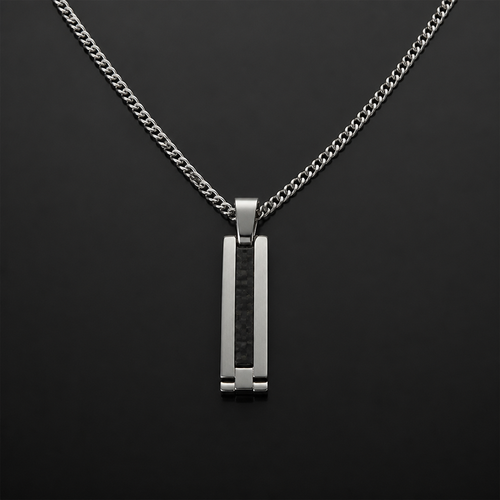
A modern men's necklace
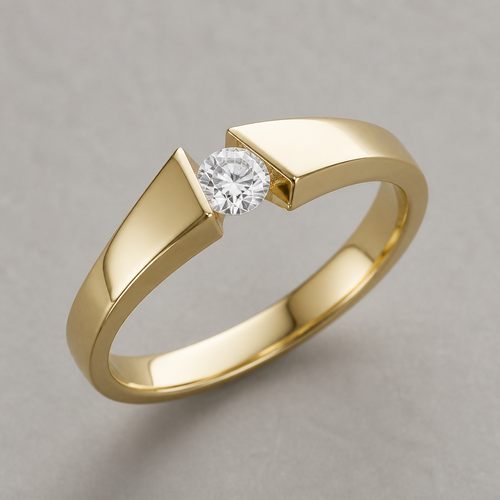
A modern women's ring
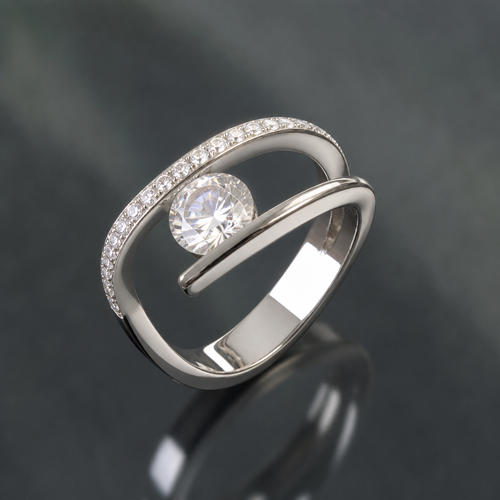
A modern women's ring
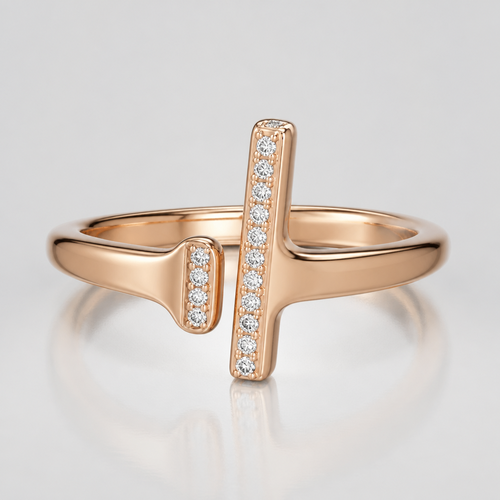
A modern women's ring
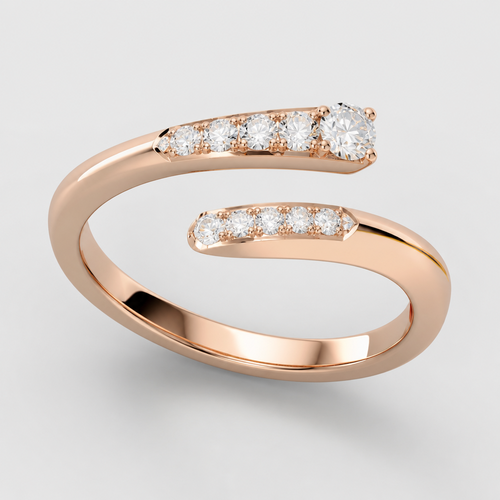
A modern women's ring
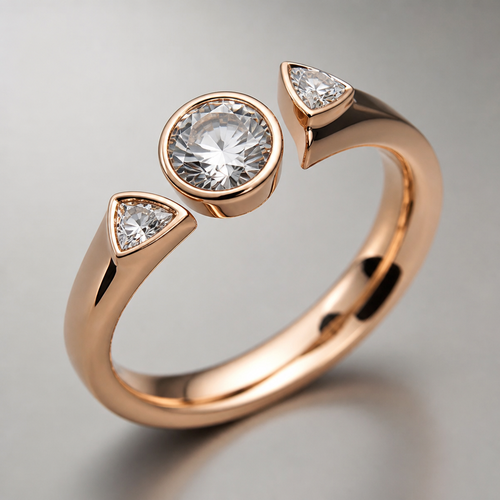
A modern women's ring
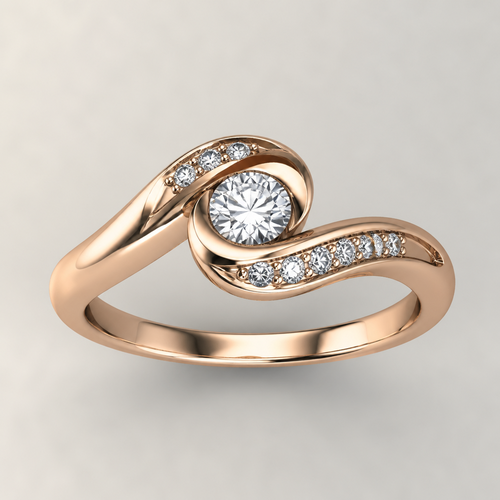
A modern women's ring
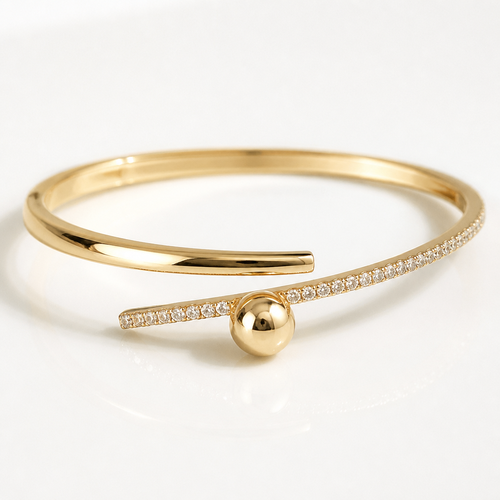
Modern women's bracelet
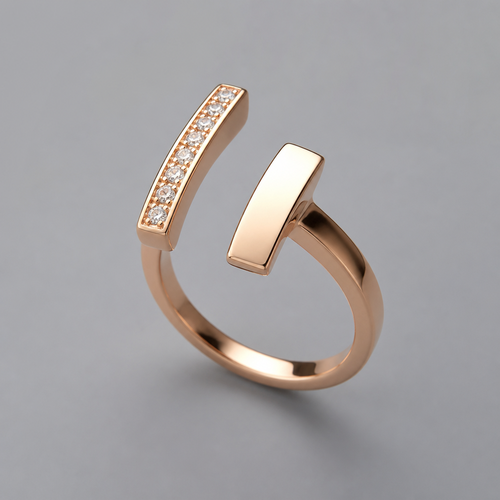
A modern women's ring
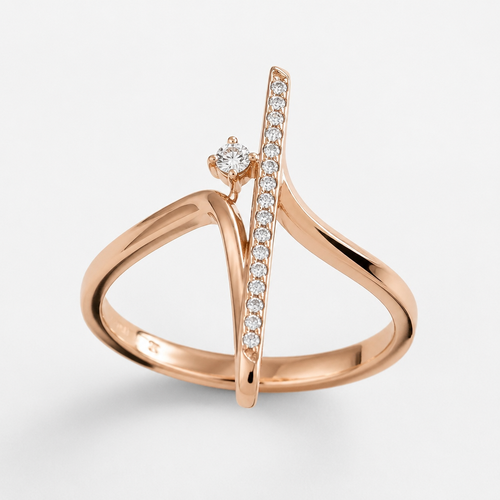
A modern women's ring
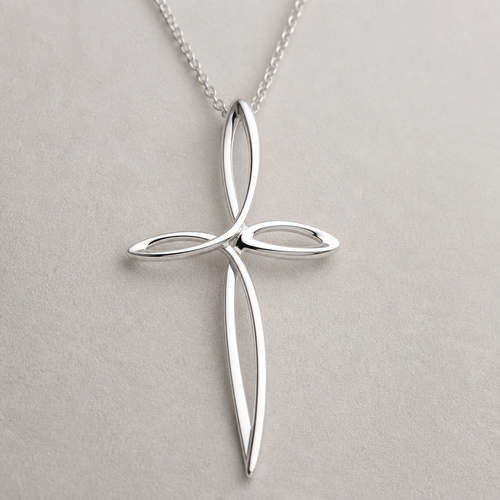
A modern women's pendant made of silver suitable for daily wear. An extraordinary excellent beautiful delicate and elega...
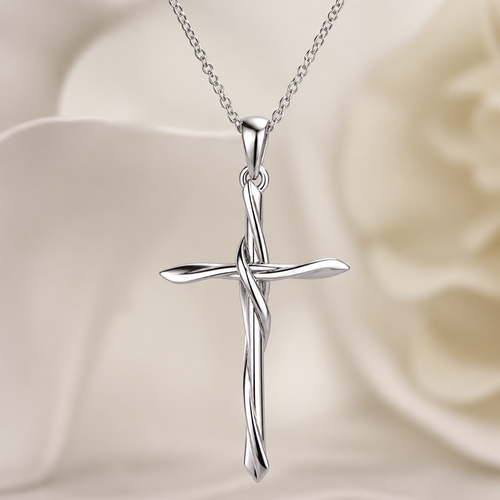
A modern women's pendant made of silver suitable for daily wear. An extraordinary excellent beautiful delicate and elega...
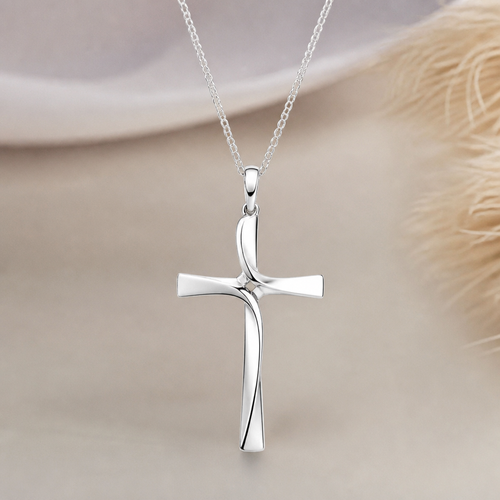
A modern women's pendant made of silver suitable for daily wear. An extraordinary excellent beautiful delicate and elega...
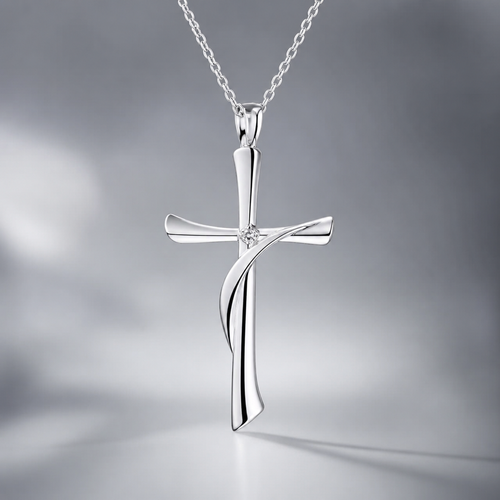
A modern women's pendant made of silver suitable for daily wear. An extraordinary excellent beautiful delicate and elega...
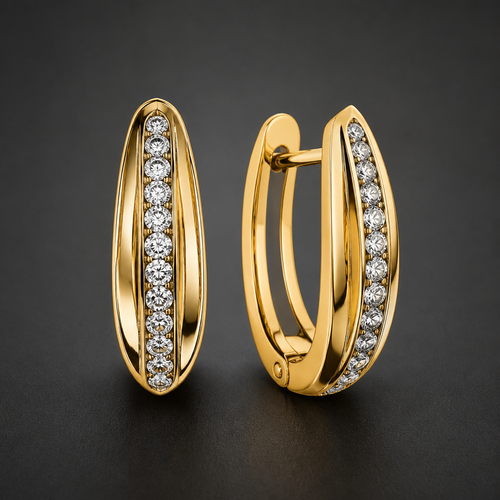
A modern women's earrings made of gold with diamond stones. I want to make this type of earrings with a modern touch and...
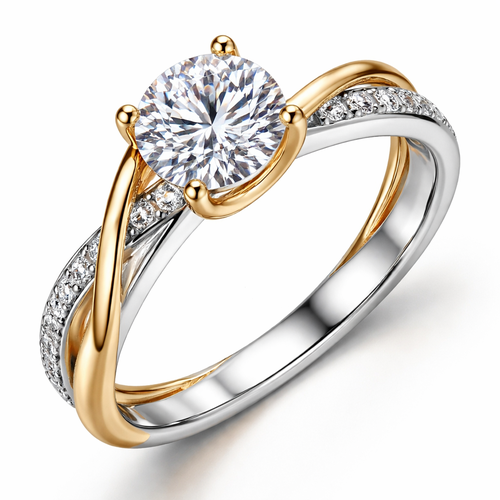
A modern women's ring made of silver with diamond stones suitable for engagement. A cute women's ring with modern style ...
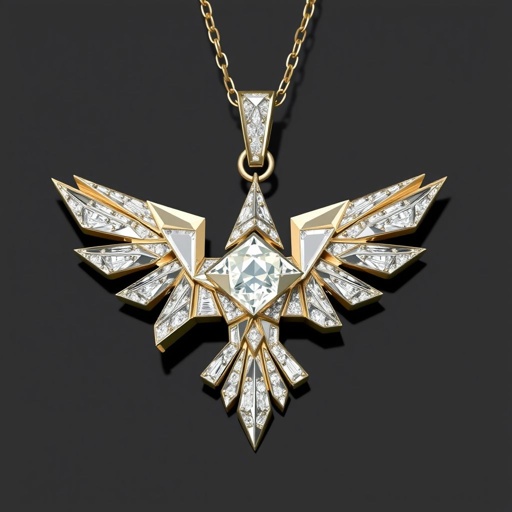
Modern Geomatric modern eagle pendant of diamonds of architecture and volume and egey shapes
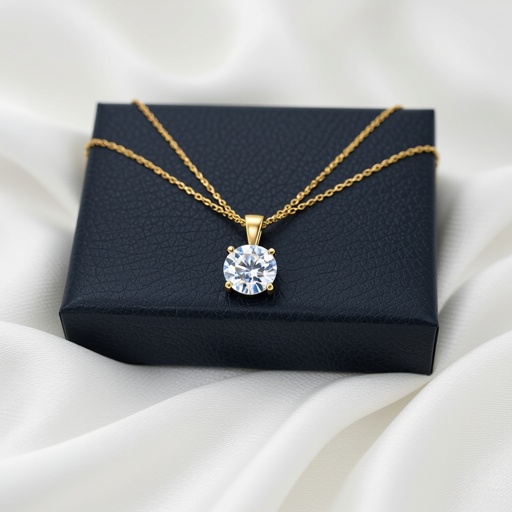
Moissanite kundan necklace for Asian girl
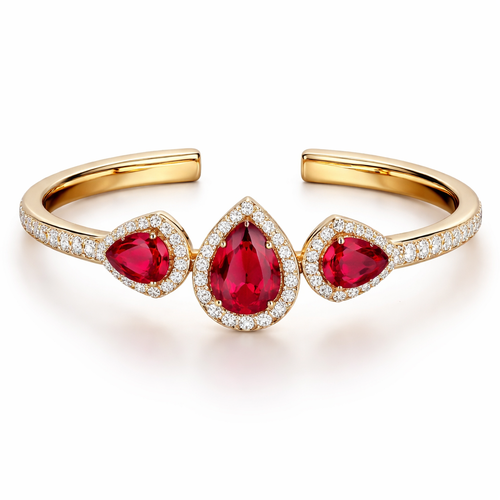
A modern women's bracelet made of gold with ruby and diamond stones
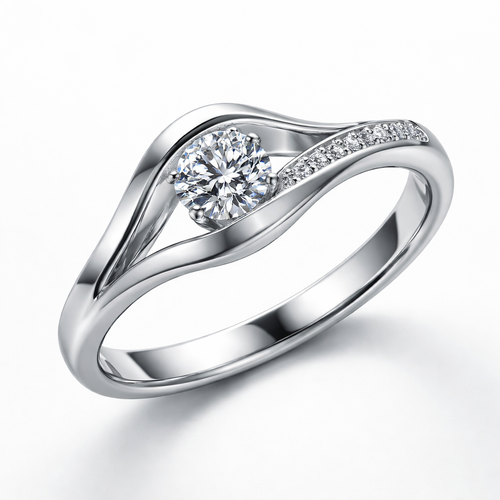
A modern women's ring
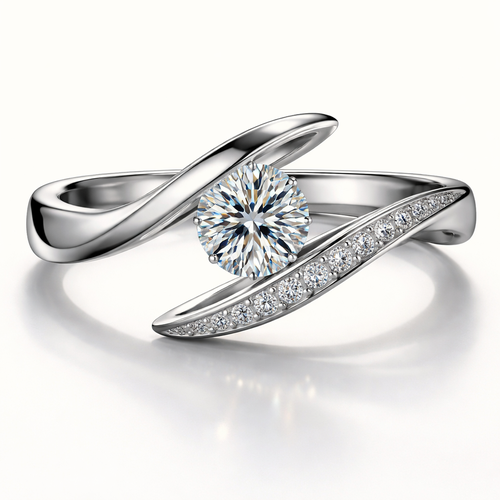
A modern women's ring
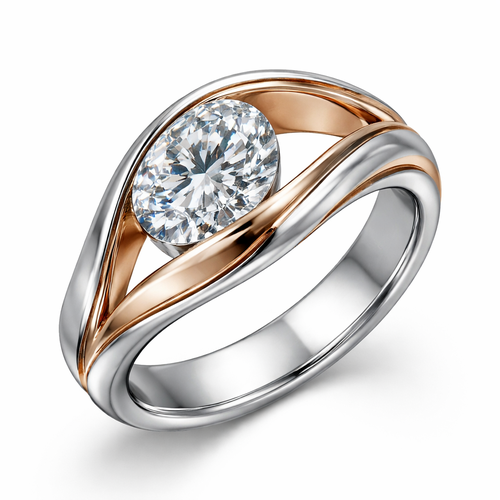
A modern women's ring
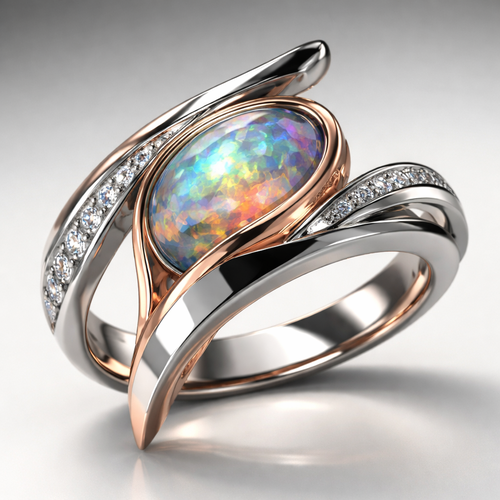
Modern and new unique
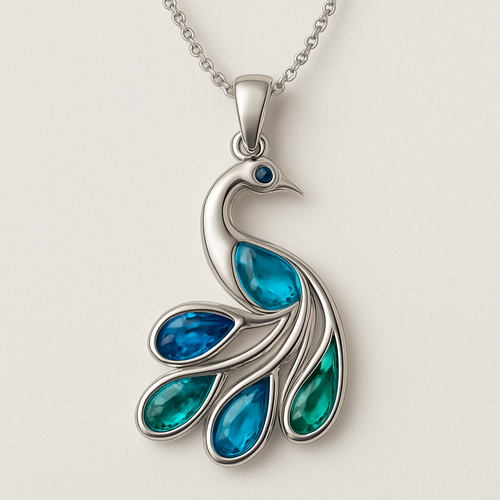
A modern peacock pendant
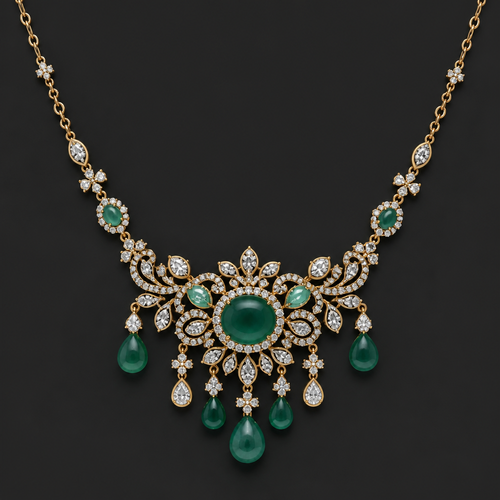
Modern
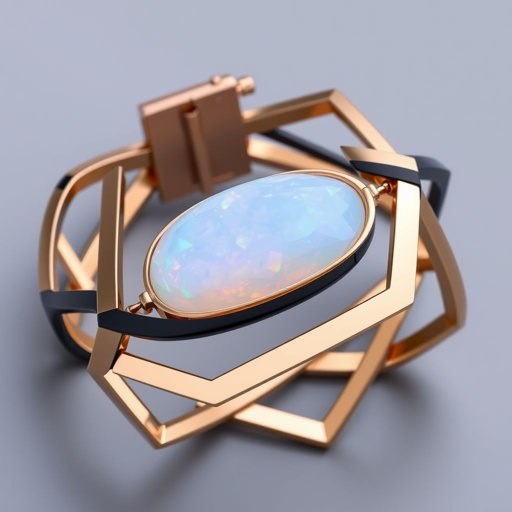
Modern
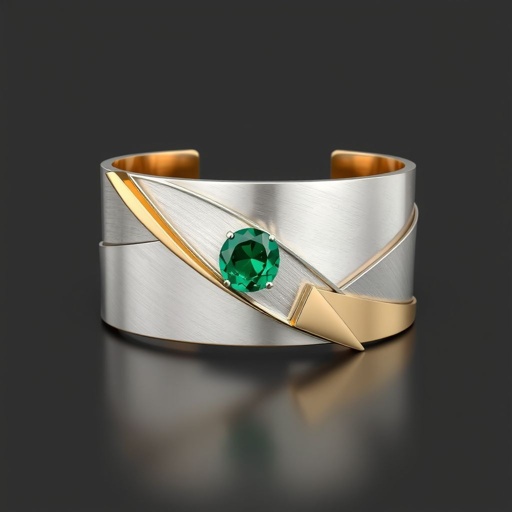
Modern