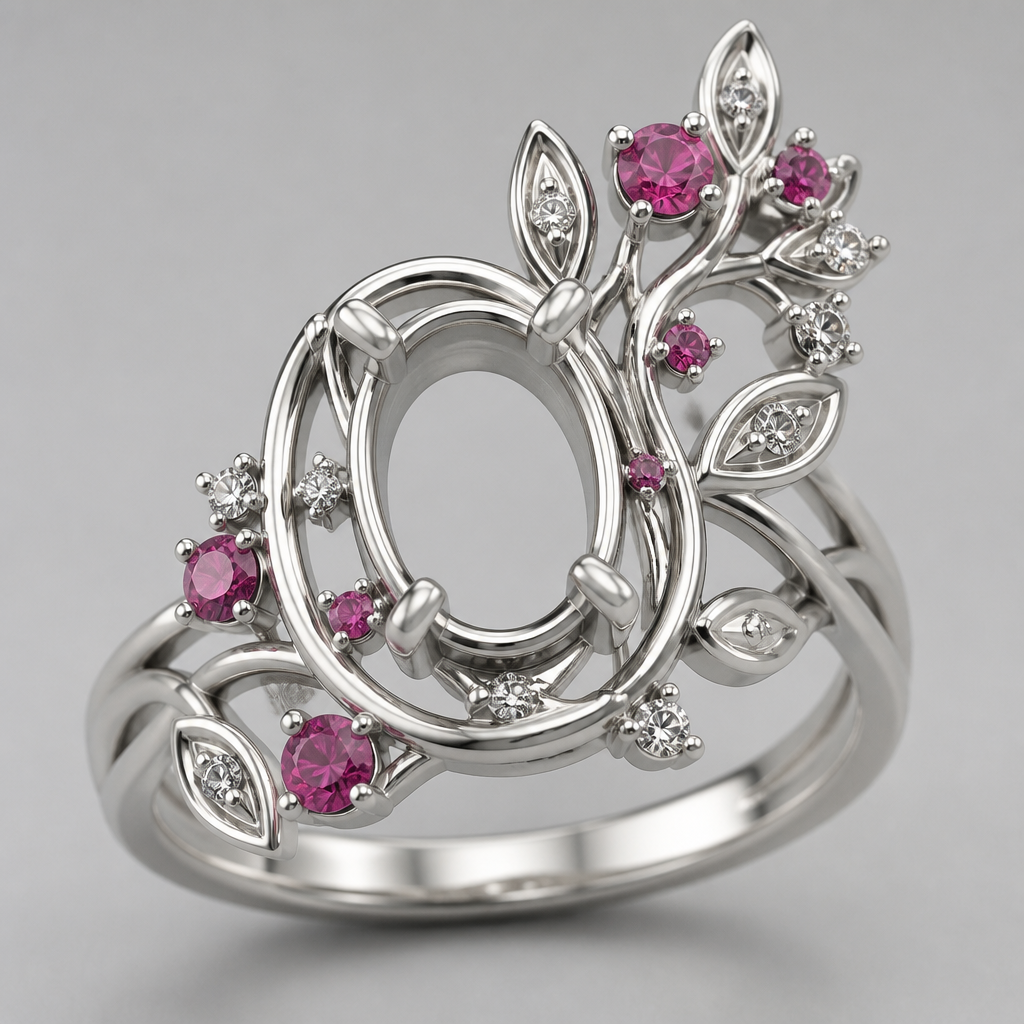
Create a highly accurate 3D jewelry design based on the supplied reference image. Reproduce the ring’s overall architecture, proportions, stone placement, flowing metalwork, and botanical aesthetic as closely as possible. The ring is an elegant white-gold botanical/Art Nouveau–inspired cocktail ring built around a vertically oriented oval black lightning ridge opal cabochon center stone. The center stone is held by four substantial sculptural claw prongs positioned approximately at the upper-left, upper-right, lower-right, and lower-left quadrants. The claws should emerge organically from the surrounding metalwork rather than appearing as separate straight prongs. Surround the center stone with a thin polished oval support/gallery following the stone’s outline. From this central structure, create asymmetrical flowing vines and branches that sweep outward across the shoulders of the ring. The vines should form graceful S-curves and loops, creating an open, airy framework rather than a solid halo. Incorporate leaf-shaped elements into the vines. Each leaf should have a pointed marquise-shaped outline, polished raised border, recessed interior, and a small round accent-stone setting centered within it. Leaves should appear to grow naturally from the curved branches. Add alternating round ruby and diamond accent settings throughout the vine structure. Use several different accent-stone sizes rather than making every stone identical. Larger rubies should act as visual anchors, with smaller rubies and diamonds filling transitional spaces. All round stones should use delicate individual prong settings integrated into the vines. Preserve the reference image’s intentionally asymmetrical composition: the right side rises higher and contains a more elaborate cluster of leaves, rubies, and diamonds, while the left side remains slightly lower and more restrained. Despite the asymmetry, the finished design should feel visually balanced around the center stone. The shoulders should transition into split, intertwined vine-like rails, eventually merging smoothly into a conventional polished rounded band toward the bottom of the shank. Maintain open negative spaces between the vines so the ring remains delicate rather than becoming a solid mass of metal. Important construction details: all decorative vines must physically connect to the main gallery or shoulders; every gemstone setting must have adequate metal beneath it; no floating components; no unsupported prongs; no impossibly thin wires; no intersecting geometry. Prongs should have sufficient thickness for casting and final stone setting. The center basket should provide continuous structural support beneath the cabochon while allowing an open underside. Finish: highly polished white gold, smooth organic transitions, rounded edges, fine-jewelry proportions, realistic castable construction. Avoid bulky CAD geometry, oversized prongs, generic halo-ring architecture, perfect bilateral symmetry, or disconnected decorative elements. Priority: match the reference ring’s silhouette and layout before introducing any creative interpretation. Treat the supplied image as the primary design reference. The finished model should immediately be recognizable as the same ring when viewed from the same three-quarter angle. Required dimensions: US ring size 7. Center setting designed specifically for a 6.0 × 7.2 mm oval cabochon. Model the center stone only as a removable reference volume; final manufacturing model should contain an empty seat for the cabochon. All accent gemstones should likewise be represented as setting blanks/seats rather than permanent stones. Preserve the apparent proportions of the reference design while scaling the surrounding ornamentation appropriately around the 6.0 × 7.2 mm center. Design for lost-wax investment casting and subsequent hand stone setting. Use practical minimum wall thicknesses, structurally supported galleries, properly connected prongs, accessible stone seats, and sufficient finishing allowance. Produce a watertight/manifold solid suitable for STL export, with no floating shells, non-manifold edges, self-intersections, or decorative geometry that cannot be cast or finished.
Keep exploring
More None
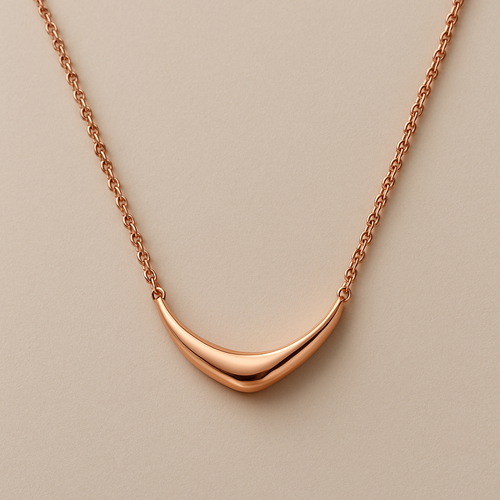
Beautiful rose gold necklace
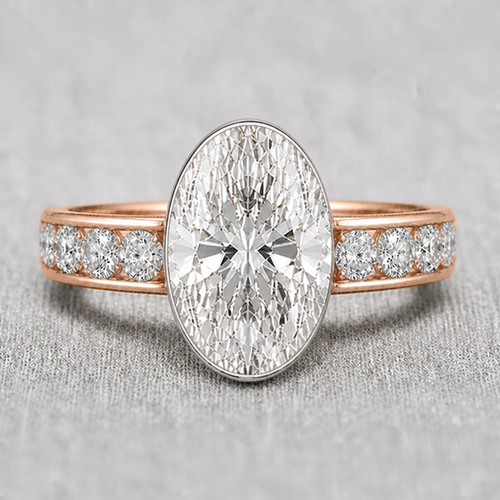
bezel should be thinner to none when it reach the east and west sides of the oval
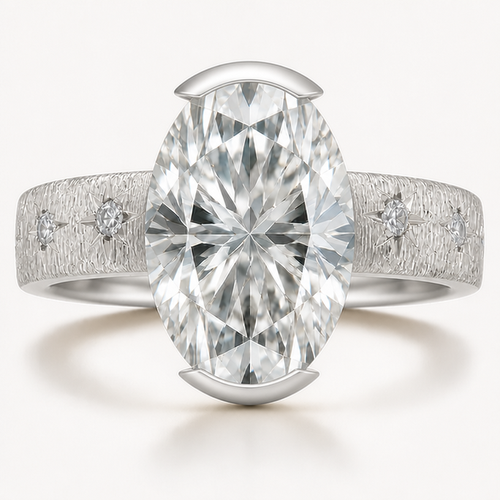
the bezel seamlessly difuse from thick at north south to thin then none east west and in platinum
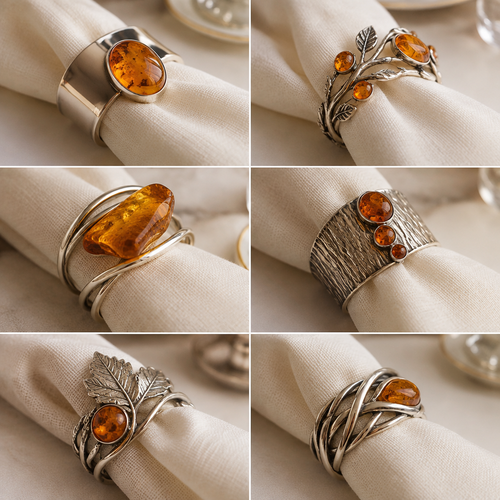
Dobilo ziedas , serveteles ziedai restoranui, gintaras sidabras, keleta variantu
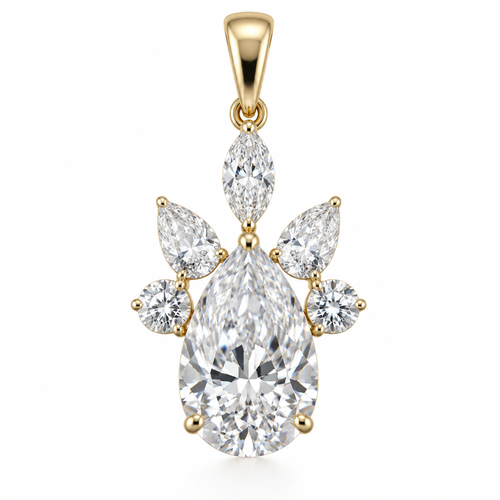
Create a photorealistic high-jewelry pendant based strictly on the uploaded sketch. Preserve the exact silhouette, propo...
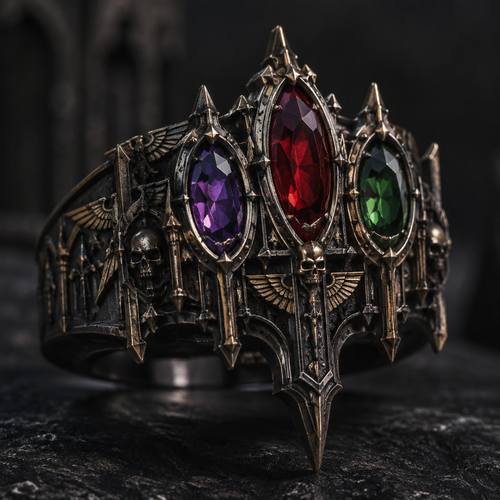
I want a ring with three stones, purple, green, red. And I want it to be overly gothic, kinda like the universe Warhamme...
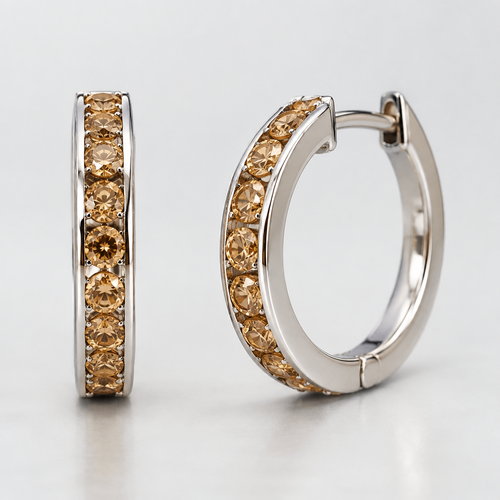
White gold hoop earrings, flat with yellow brown diamonds 3.2 mm in the center, english clasp
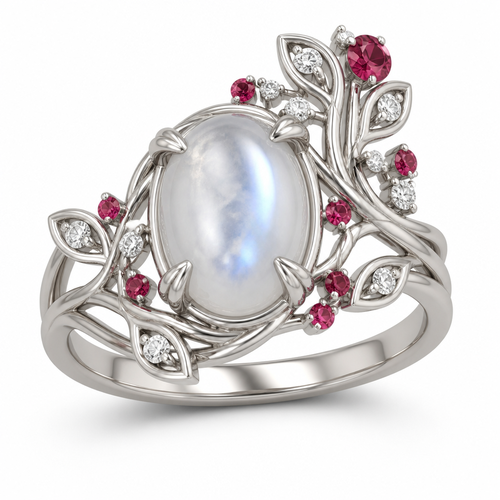
Create a highly accurate 3D jewelry design based on the supplied reference image. Reproduce the ring’s overall architect...
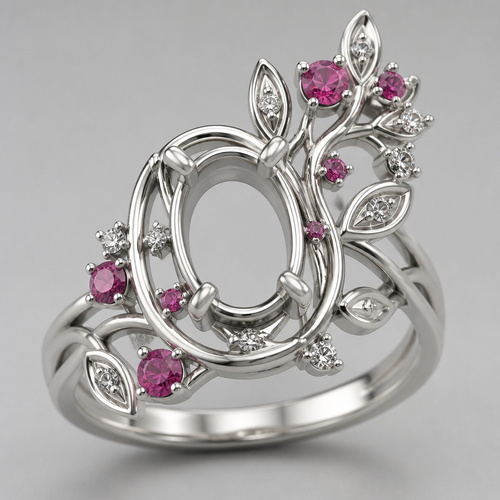
Create a highly accurate 3D jewelry design based on the supplied reference image. Reproduce the ring’s overall architect...
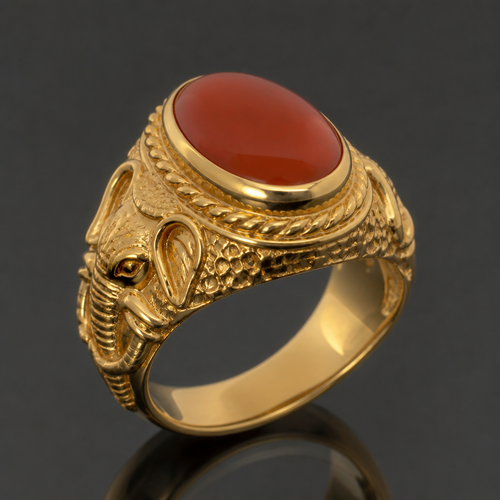
Men’s Persian signet ring, elephant shank, oval carnelian agate, raised crown setting, yellow gold
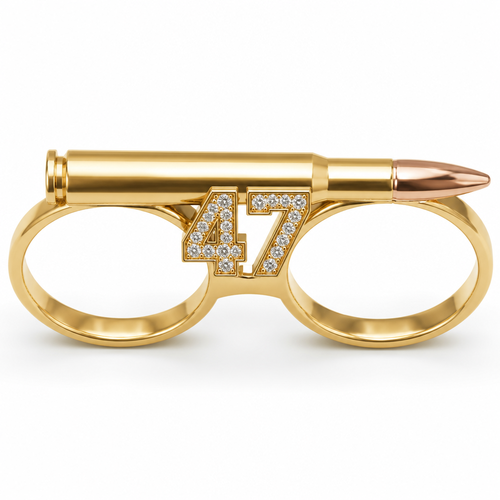
Double finger ring connecting the ring finger and pinky, 10K gold, shaped like a 7.62 caliber bullet, with the number 47...
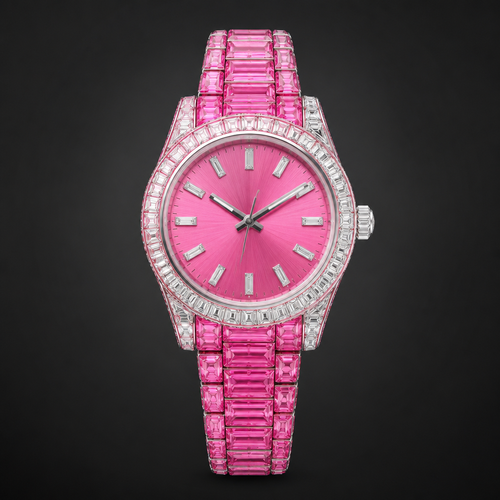
Hot pink Rolex watch
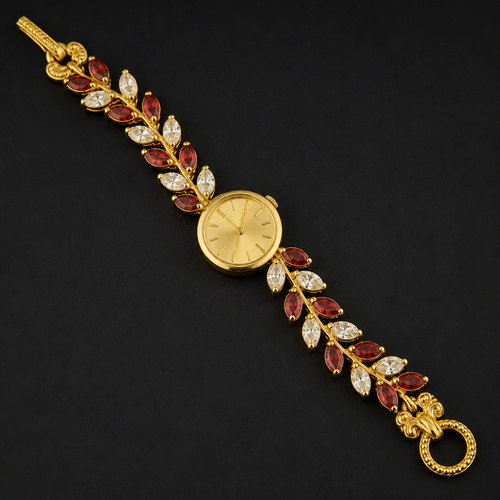
Watch Dial: Positioned in the center of the bracelet, featuring a small, elegant round shape with a polished gold bezel,...
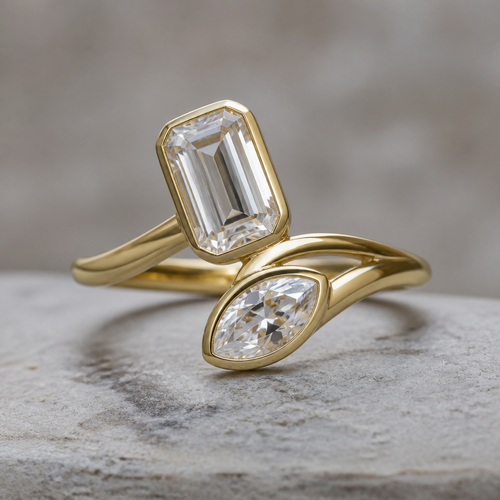
1.60 emerald cut and 1 ct marquise half bezel ring with curves
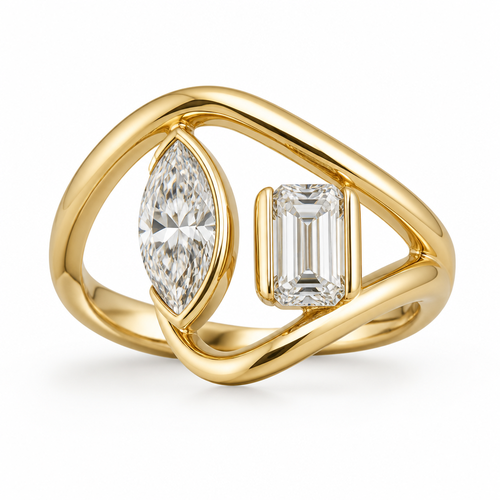
Create a modern, sculptural bypass engagement ring in 18K gold. The design should feature two different center diamonds ...
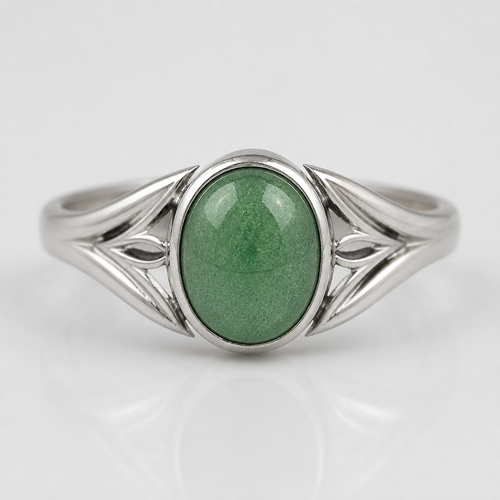
Silver ring eith green avantiurin stone in all the midlle of all ring
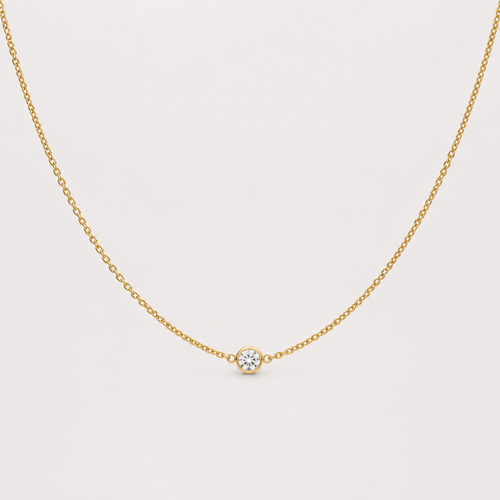
Una collana d’oro sottile con al centro un piccolo cristallo a cerchio
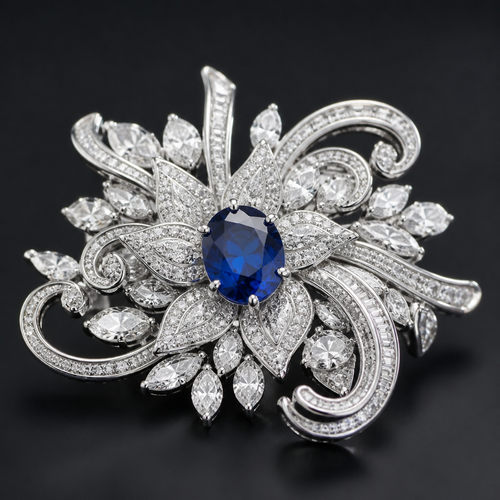
Luxury brooch
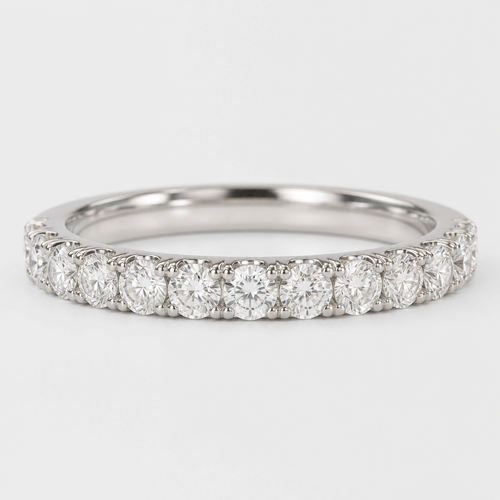
Diamond wedding ring
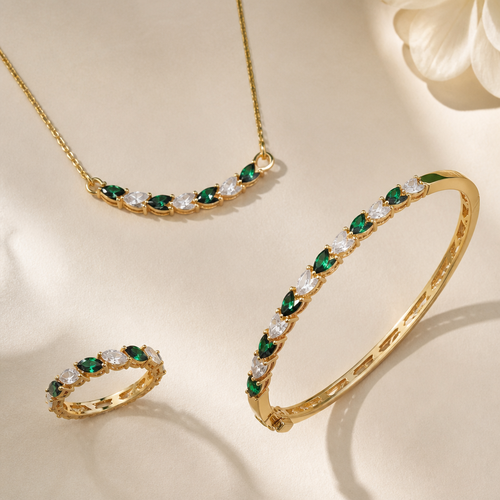
Do a complet set tela colorr a ring a barcaletee and a ring neckles
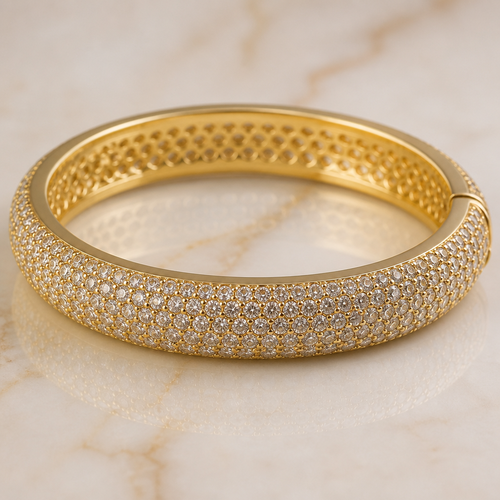
bracciale bangles spesso circa 1 cm in oro con pietre piccoline
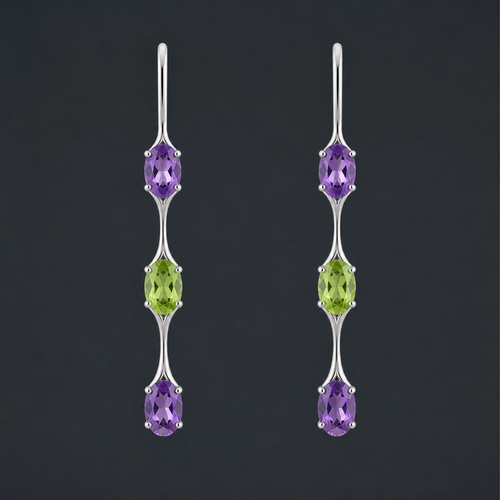
Create a sophisticated and delicate jewelry design for the AURA GEM collection. Design a pair of long, dangling earring...
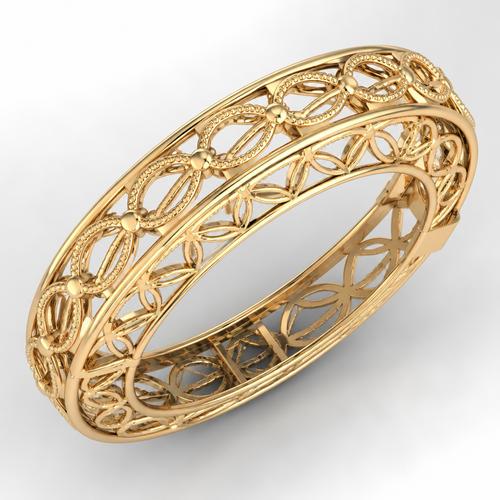
Cad bangles
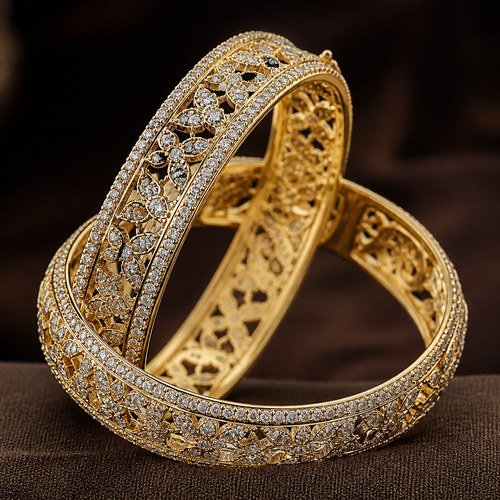
Fancy bangles
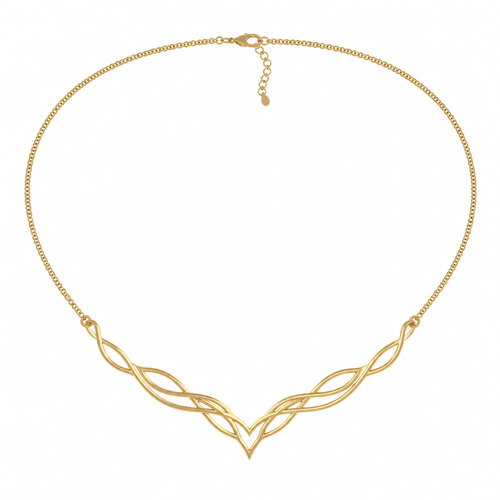
Cad plain necklace
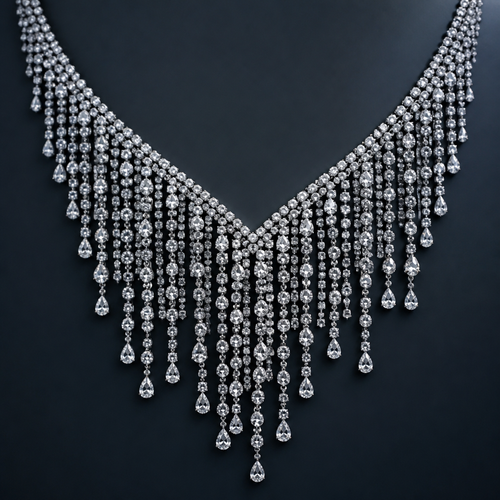
Diamond rain
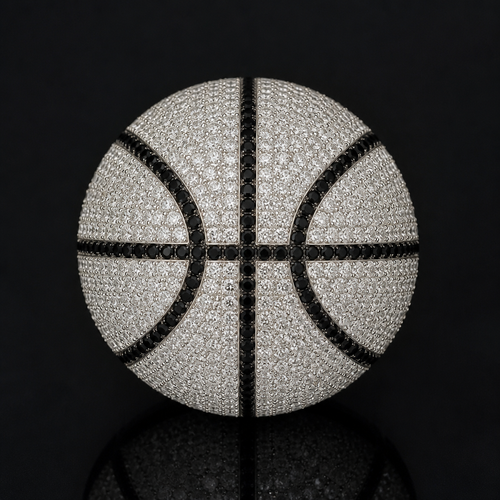
Basketball diamonds white and blacks black diamonds as lines
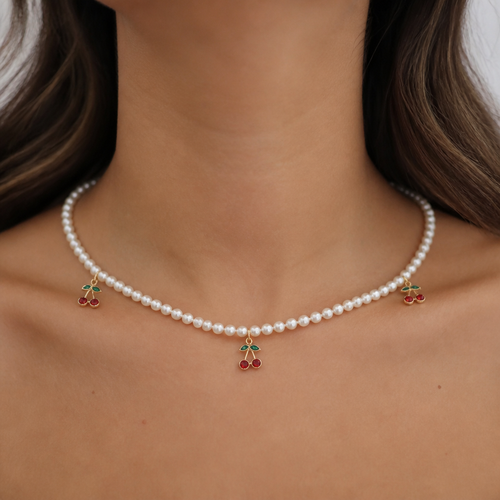
5mm pearls in one line all around the neck and three Cherry charms 2mm with gold lining,one in the middle of the necklac...
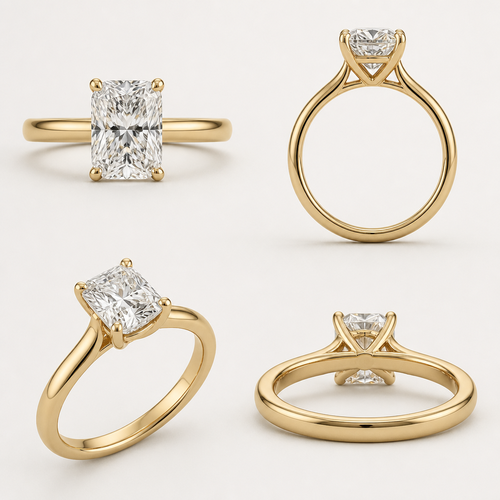
I like lab diamond (CVD) Should be between D E F diamond color Ideal cut not too deep or shallow Want 2 carats diamond...
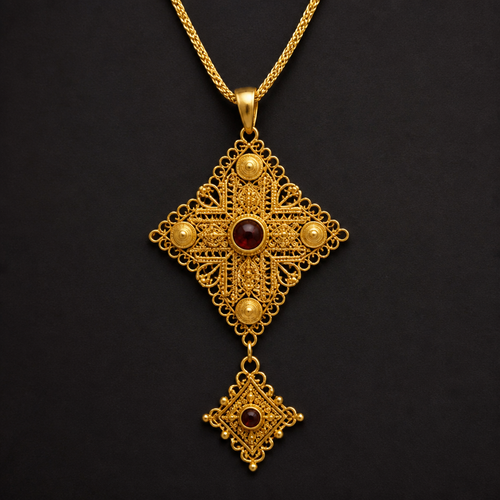
Habsha traditional, January
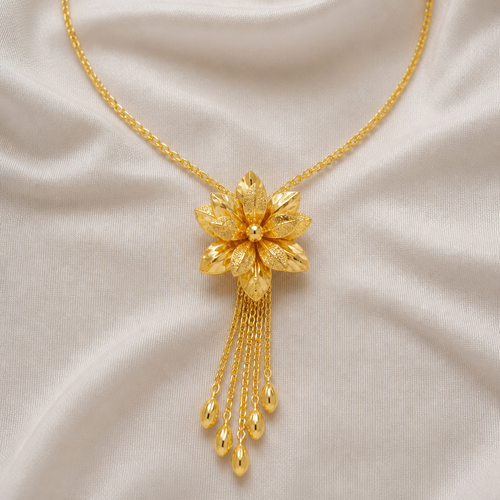
UAE gold
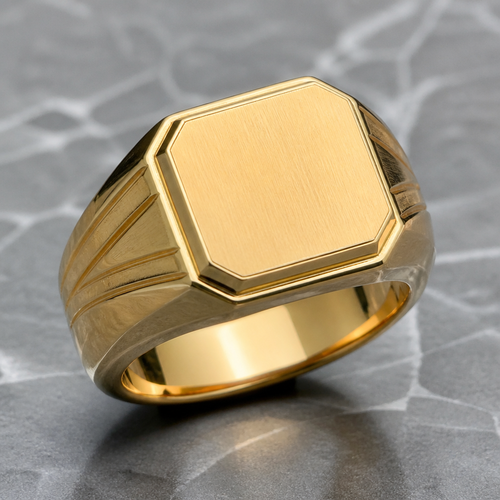
Gents ring solid
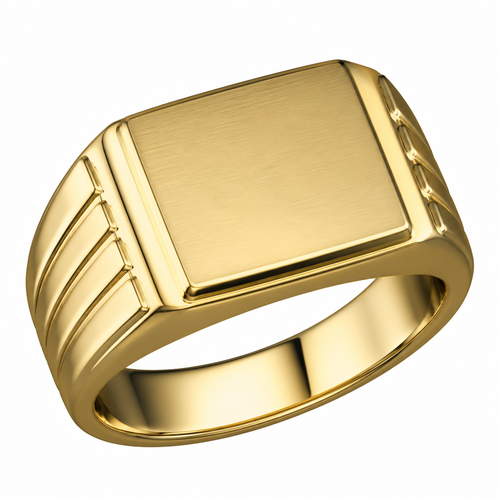
Gents ring solid
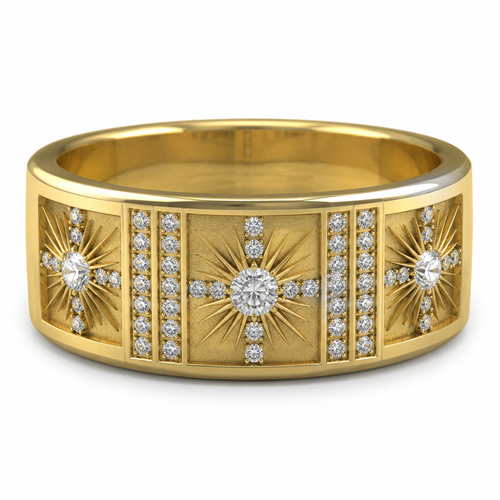
Masculine wedding band and gold 14 karat Center stone 0.50 carats sunburst with 0.01 diamonds on X axis of sun burst Sid...
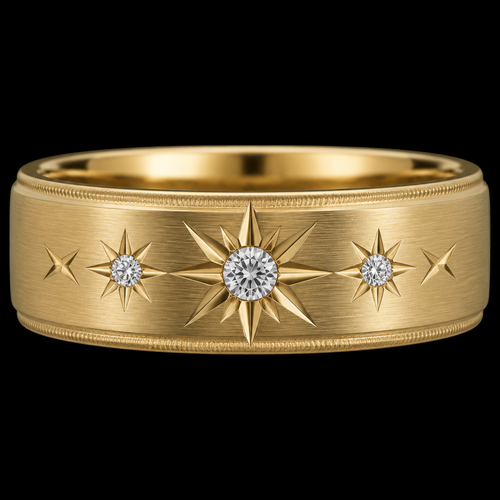
Center 0.50 ct stone receives the largest sunburst. * Two 0.25 ct side stones receive proportionally smaller sunburs...
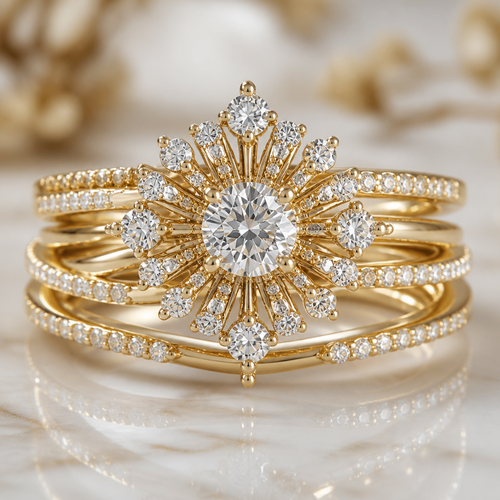
Can you create a very feminine diamond ring for a wedding ring and engagement multi stackable yellow, 14 carat gold that...
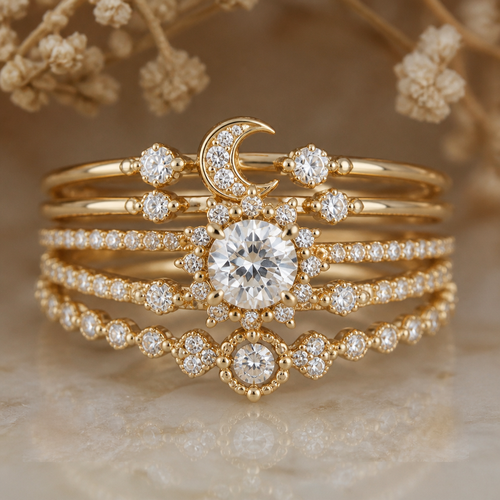
Can you create a very feminine diamond ring for a wedding ring and engagement multi stackable yellow, 14 carat gold that...
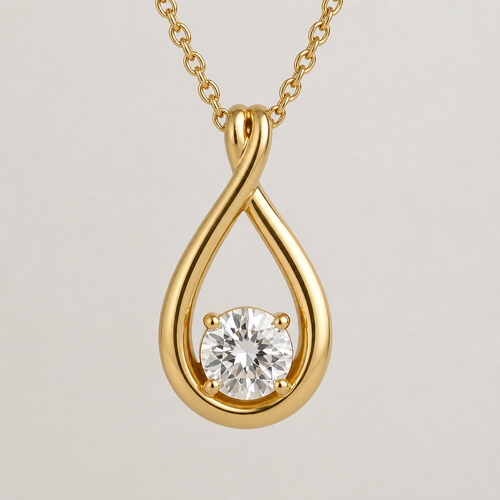
Is this gold?
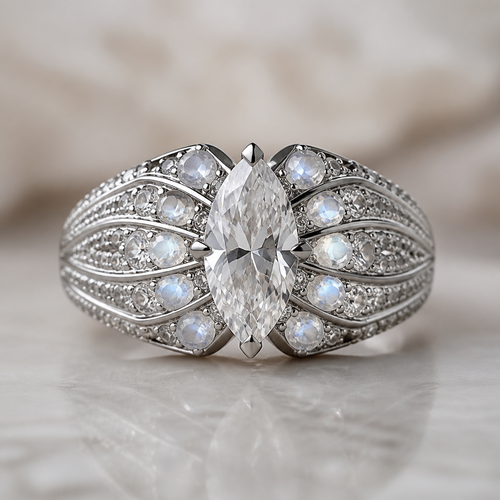
Hey Ai. Generate an engagement ring picture for me in which in the centre there is diamond in marquis shape. Ring 15mm w...
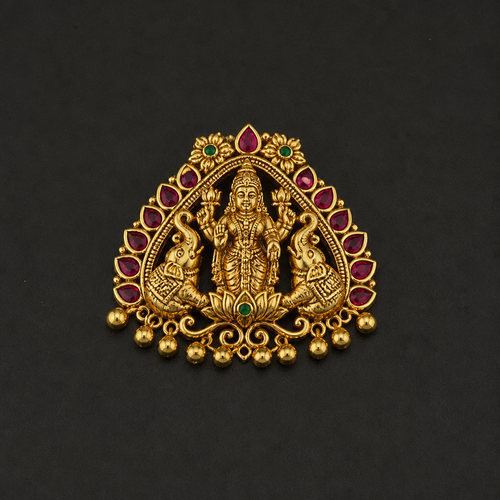
Lakshmi moopu paper casting
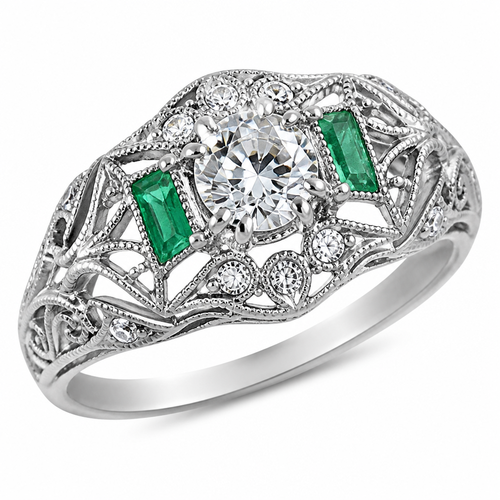
14k white gold filagree vintage inspired diamond and emerald ring
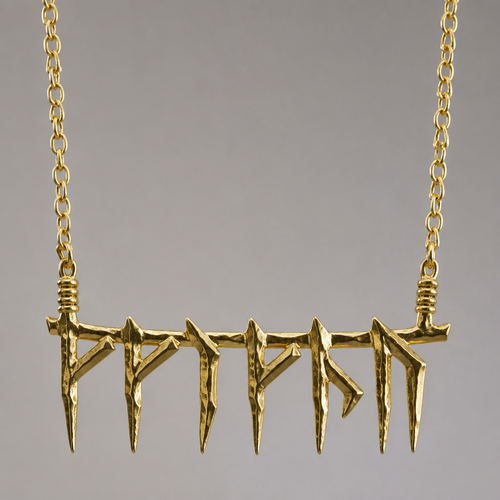
𐒈𐒚𐒑𐒖𐒕𐒖