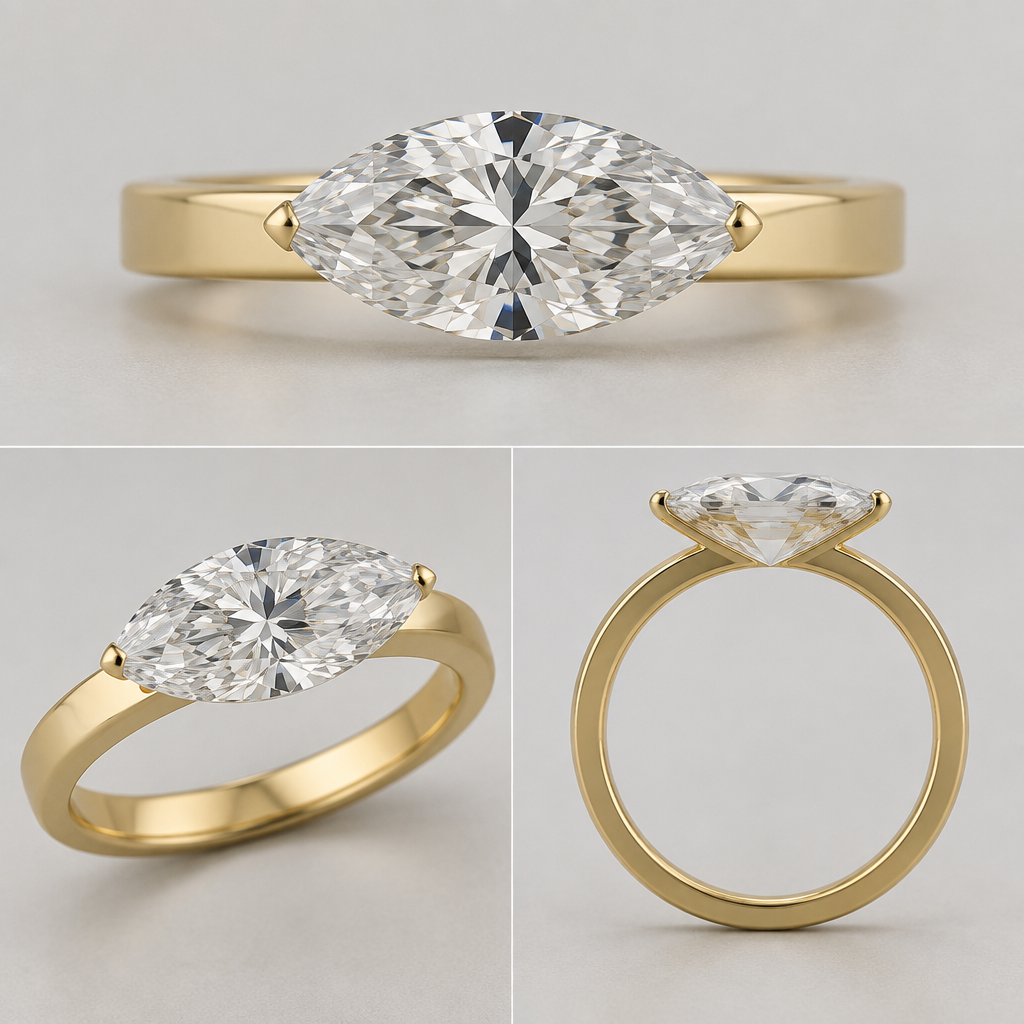
A women's ring, detailed and decorative, moderately ornate. Design a photorealistic high-end solitaire ring using a 1.90 ct laboratory-grown marquise diamond measuring exactly 12.81 × 6.39 × 4.11 mm, E color, VS2. Preserve the true proportions of this elongated marquise. Mount it east-to-west horizontally on a straight 2.0 mm flat yellow-gold band. Create an extremely minimal edge-set floating appearance. The diamond should visually sit above the band with almost no visible mounting. Secure the diamond at its two pointed ends using two extremely small, narrow metal tabs that barely overlap the outer girdle edge. These tabs should be flat, delicate, and integrated into the setting, with no visible decorative shape. The securing metal must NOT form a V, U, chevron, hook, ball, bead, basket, or large claw. Do not place large metal pieces on the face of the diamond. Do not extend the metal outward past either point of the diamond. Place the necessary structural support underneath the diamond, using a very thin hidden gallery rail following the underside of the stone. Keep the support as close to the pavilion as practical while maintaining realistic security. The 2 mm flat band should remain visually straight and uninterrupted beneath the stone. The diamond should look naturally suspended above it rather than mounted inside a visible framework. Do not enlarge the diamond. Do not make the band thinner than 2 mm. Maintain the actual 12.81 × 6.39 mm stone-to-band scale relationship. No halo, no accent stones, no bezel, no decorative shoulders, no additional gemstones. Show the same physically consistent ring from front, side profile, and three-quarter view. The side view must show a realistic diamond pavilion, realistic setting depth, and sufficient clearance from the finger. This must look manufacturable by an experienced bench jeweler and suitable for everyday wear.
Keep exploring
More Modern
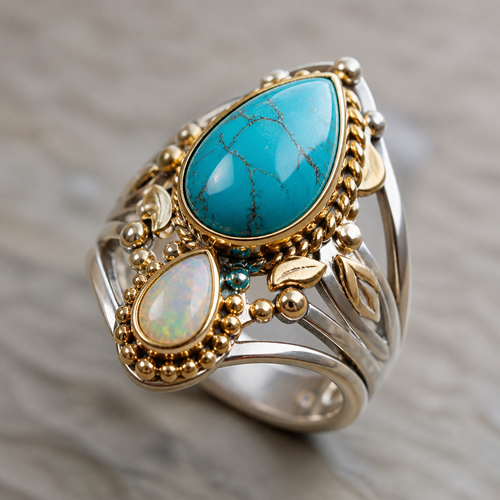
A modern women's ring made of mixed metal with turquoise and opal stones suitable for festival. A modern women ring with...
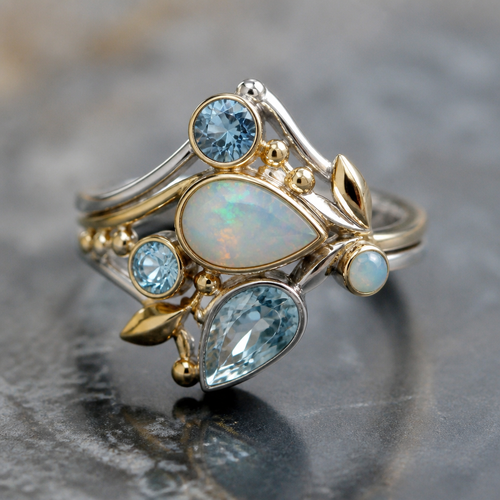
A modern women's ring made of mixed metal with opal and topaz and aquamarine stones suitable for festival. A modern wome...
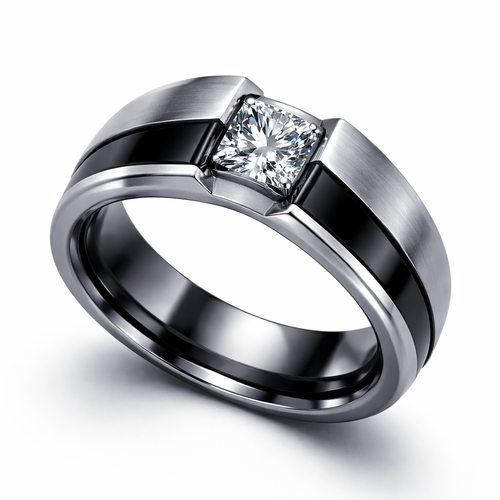
A modern men's ring
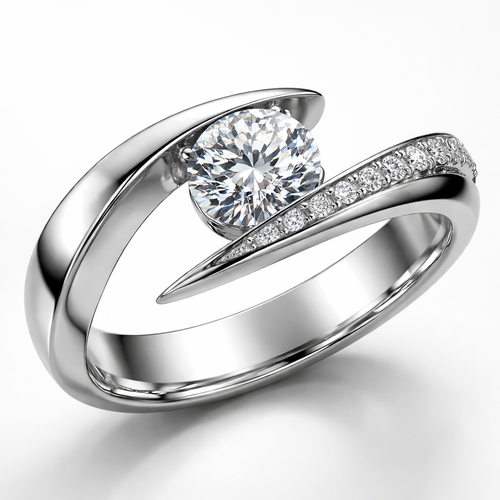
A modern women's ring
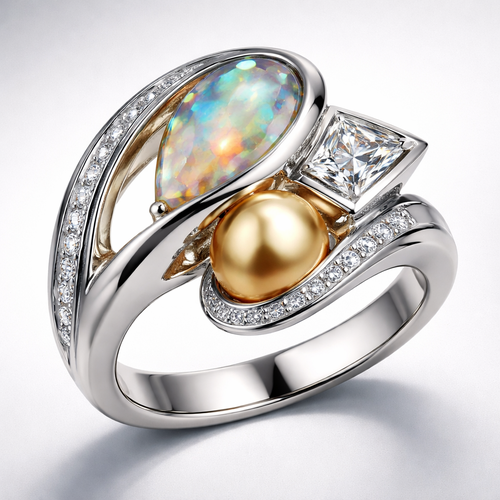
Modern and new unique
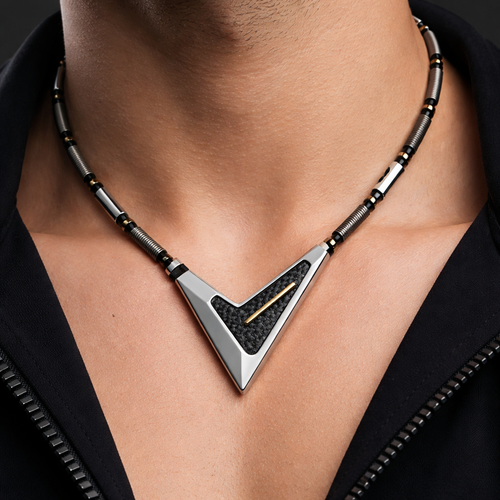
Men unique modern necklace
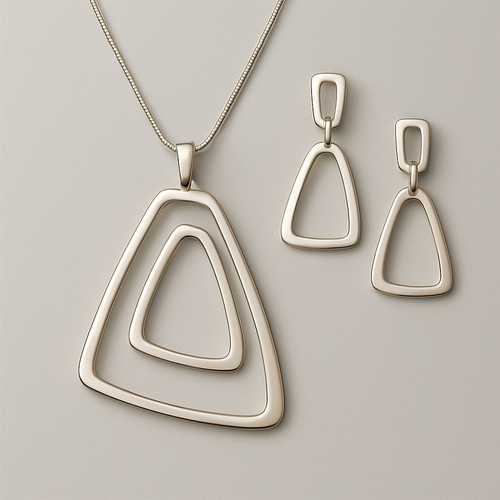
Modern
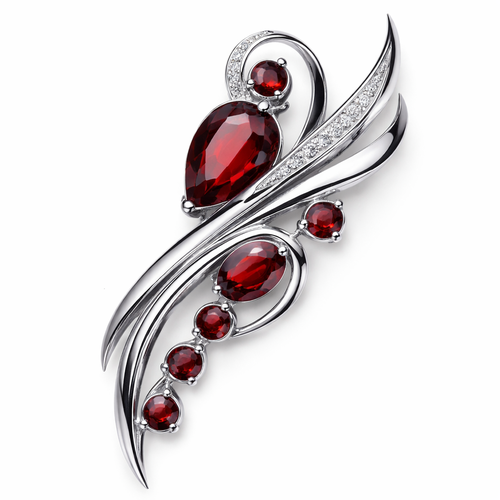
A modern women's brooch with garnet stones
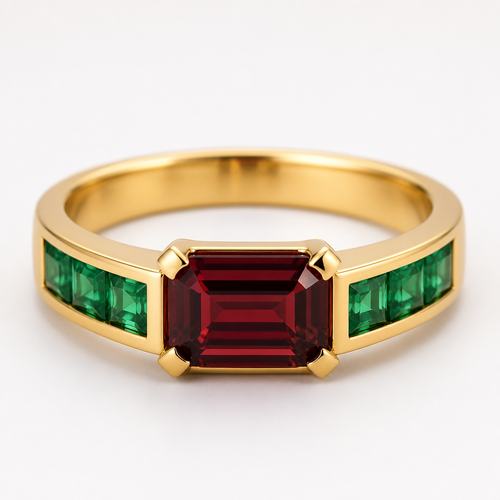
A modern women's ring made of gold with garnet stones. tsavorite, emerald cut, east west setting modern
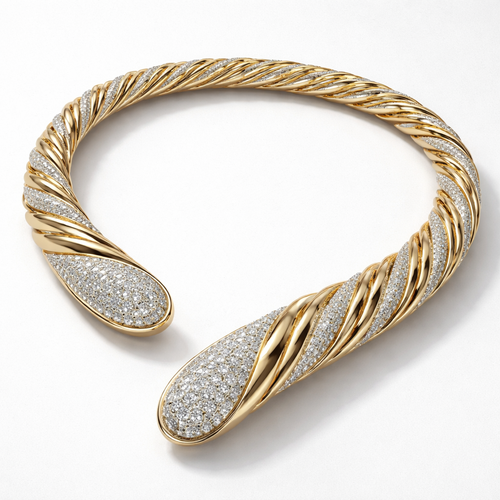
A flexible twisted modern necklace with diamond and gold
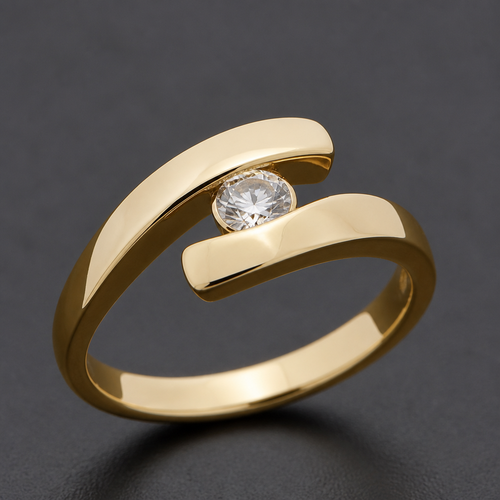
A modern women's ring
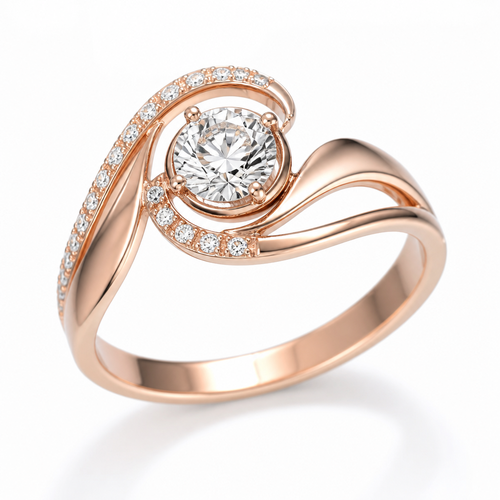
A modern women's ring
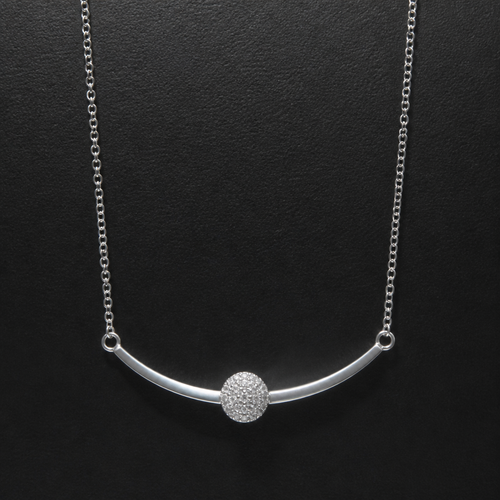
A modern women's necklace
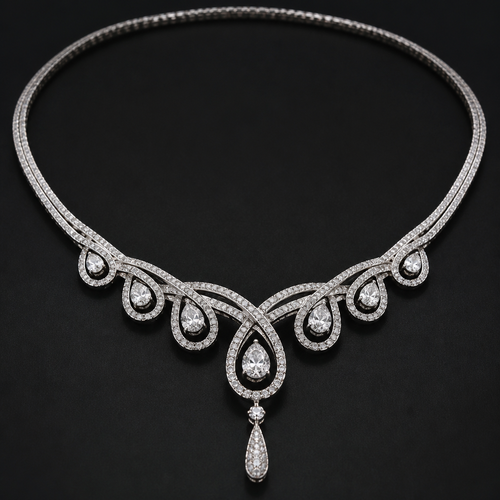
Representation of modern luxury
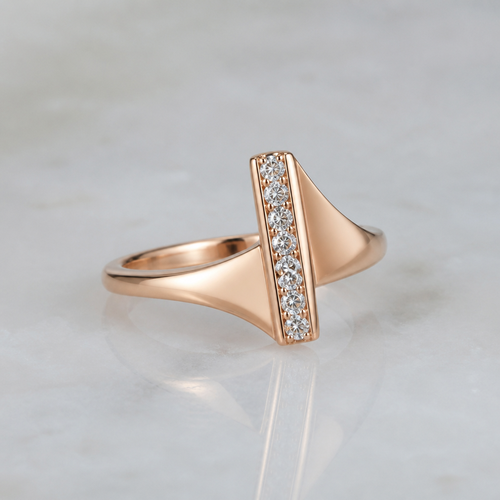
A modern women's ring
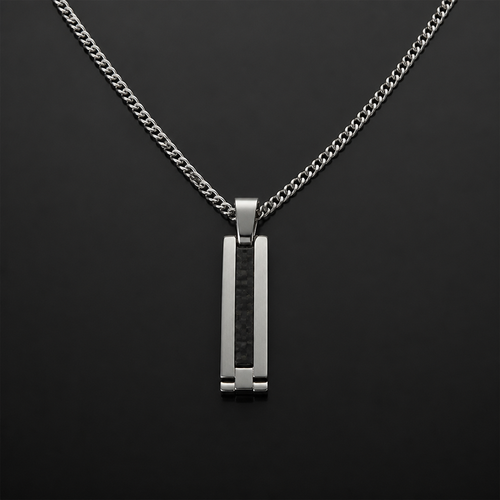
A modern men's necklace
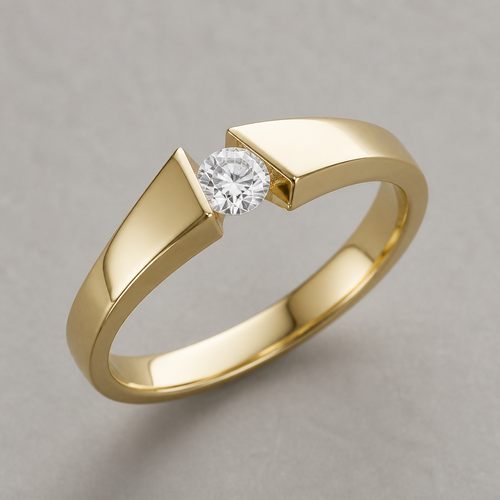
A modern women's ring
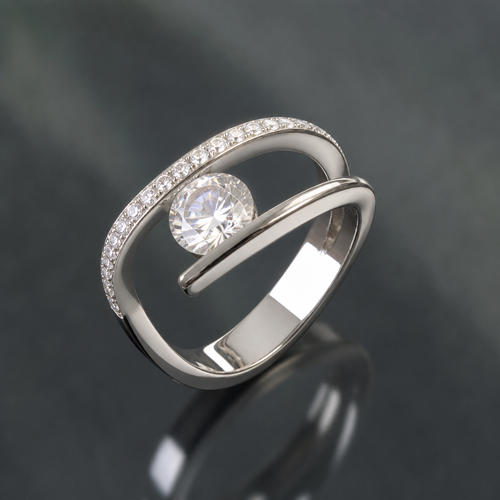
A modern women's ring
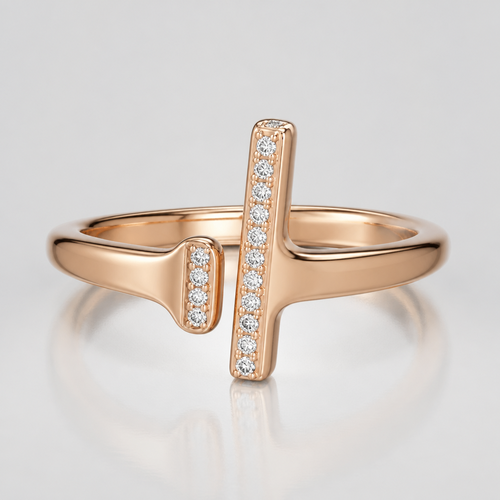
A modern women's ring
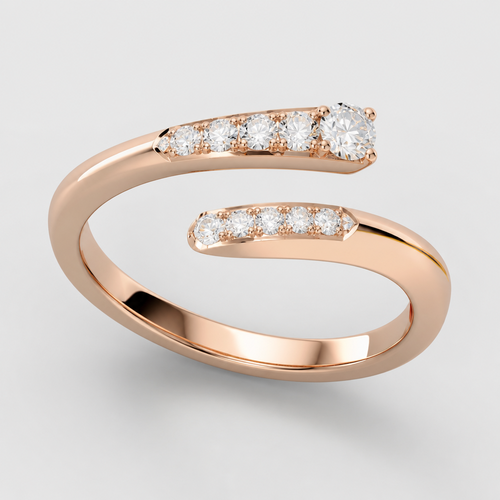
A modern women's ring
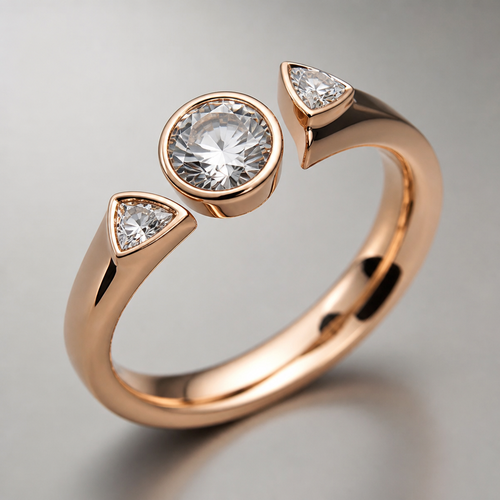
A modern women's ring
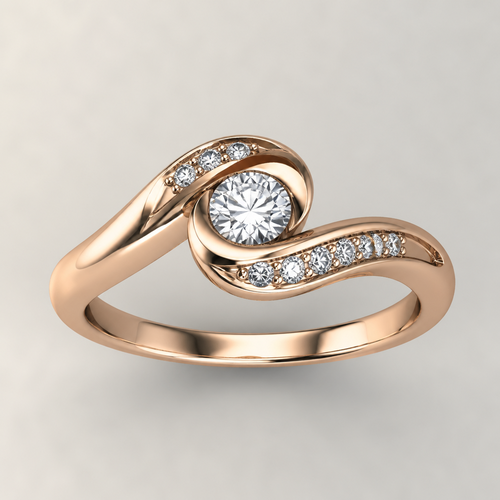
A modern women's ring
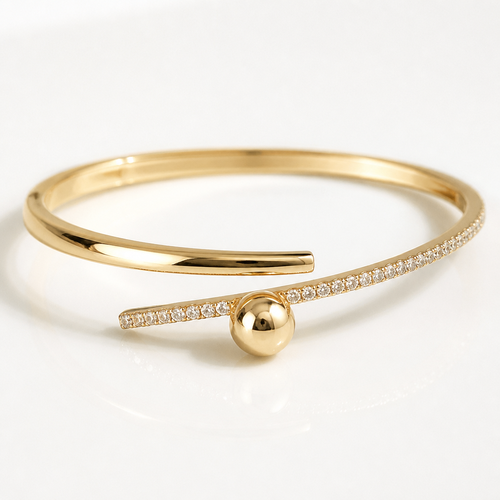
Modern women's bracelet
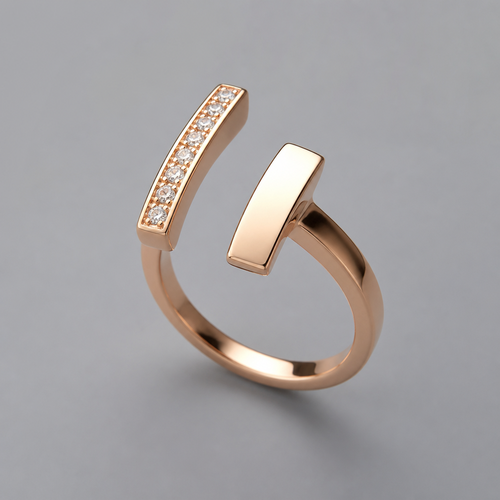
A modern women's ring
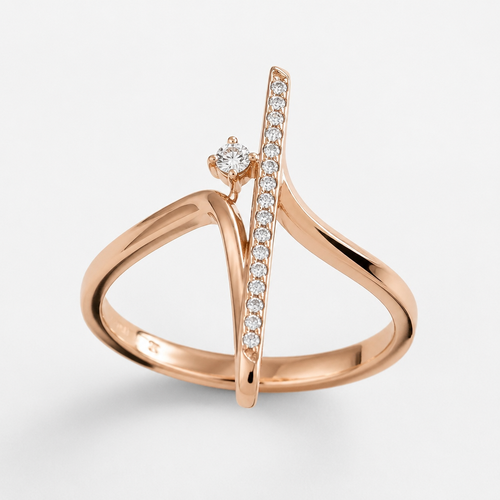
A modern women's ring
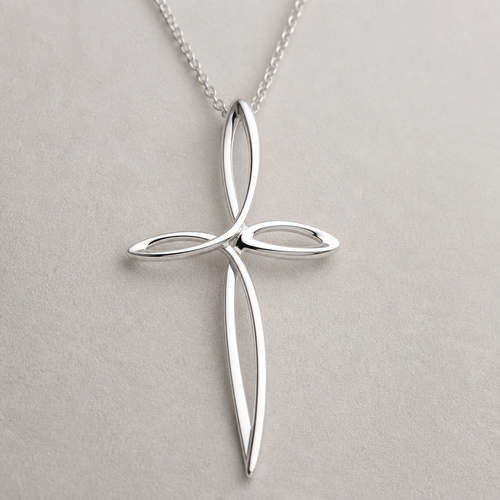
A modern women's pendant made of silver suitable for daily wear. An extraordinary excellent beautiful delicate and elega...
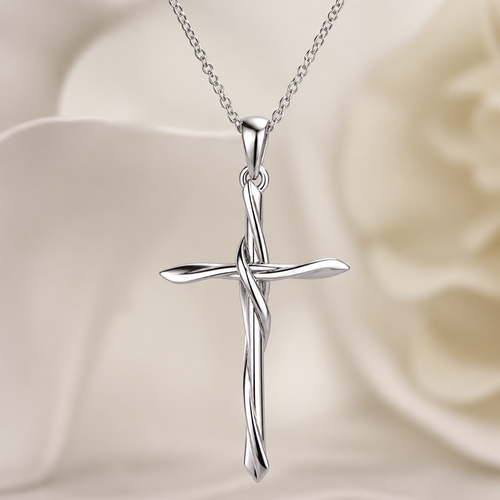
A modern women's pendant made of silver suitable for daily wear. An extraordinary excellent beautiful delicate and elega...
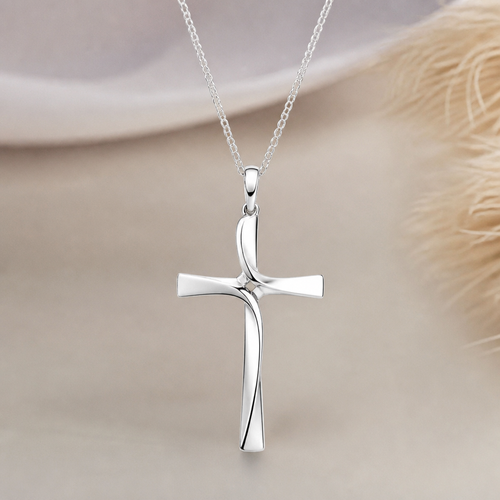
A modern women's pendant made of silver suitable for daily wear. An extraordinary excellent beautiful delicate and elega...
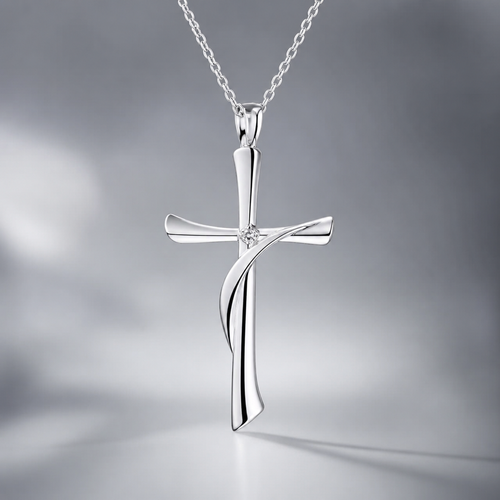
A modern women's pendant made of silver suitable for daily wear. An extraordinary excellent beautiful delicate and elega...
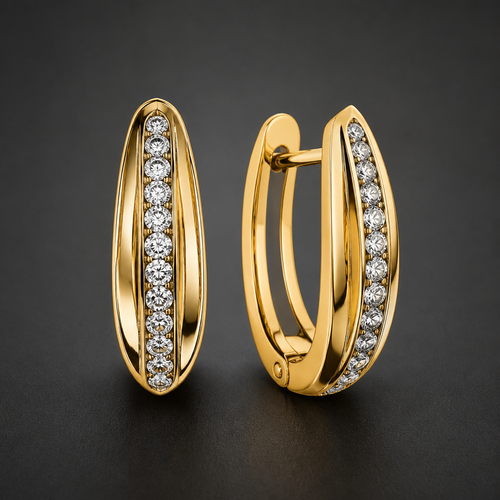
A modern women's earrings made of gold with diamond stones. I want to make this type of earrings with a modern touch and...
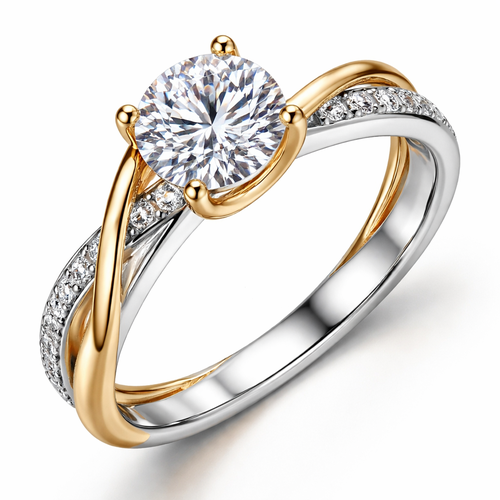
A modern women's ring made of silver with diamond stones suitable for engagement. A cute women's ring with modern style ...
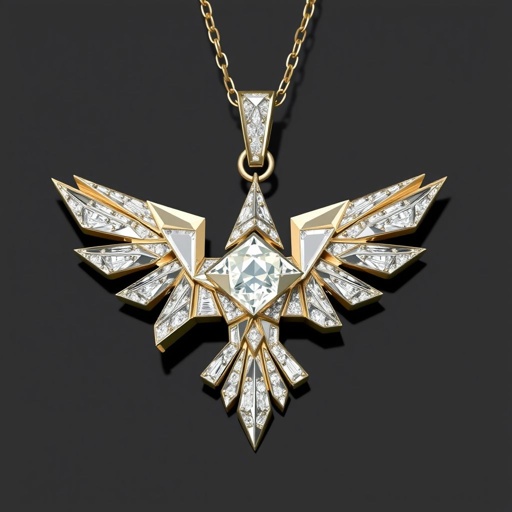
Modern Geomatric modern eagle pendant of diamonds of architecture and volume and egey shapes
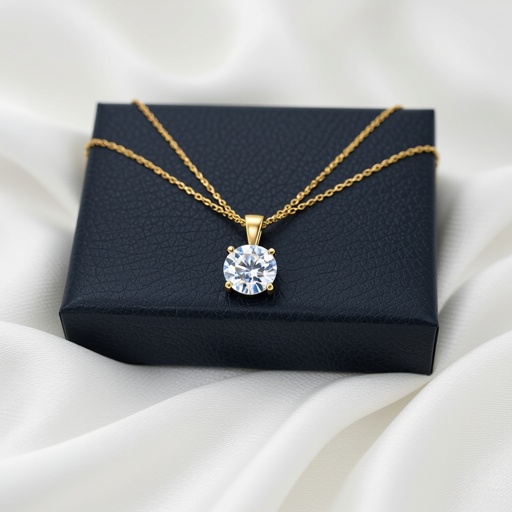
Moissanite kundan necklace for Asian girl
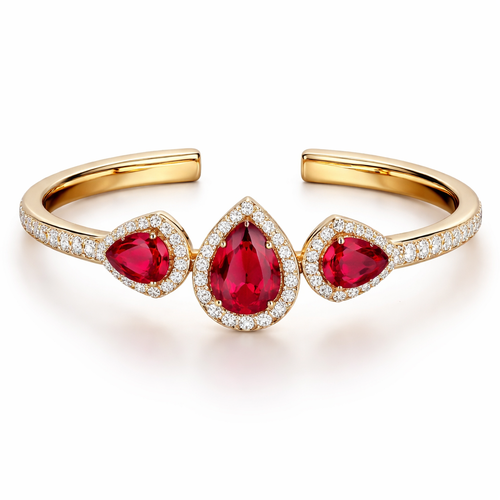
A modern women's bracelet made of gold with ruby and diamond stones
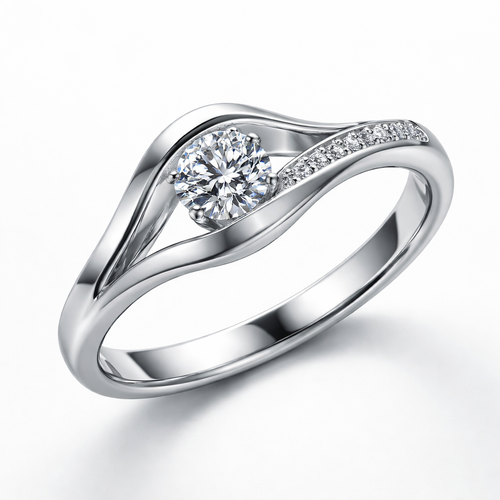
A modern women's ring
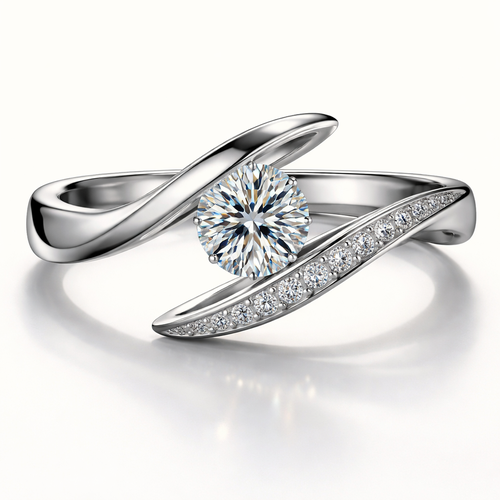
A modern women's ring
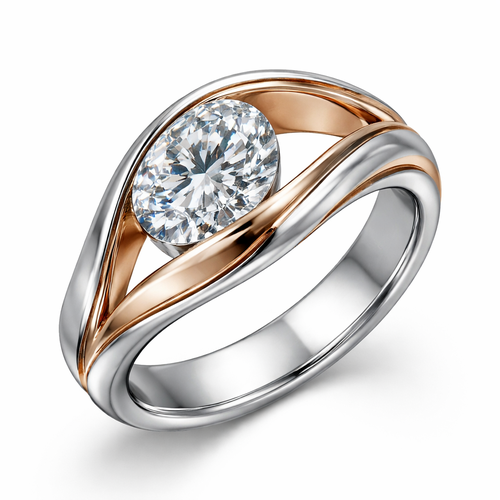
A modern women's ring
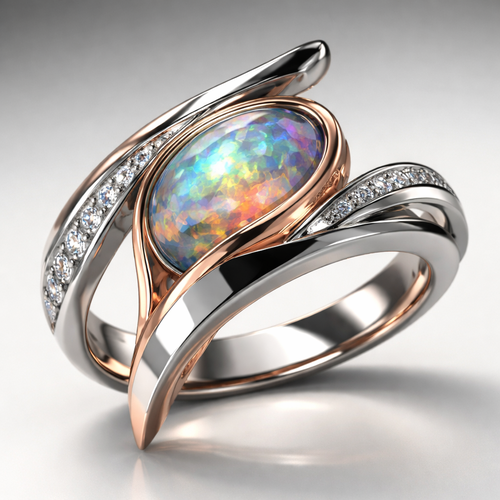
Modern and new unique
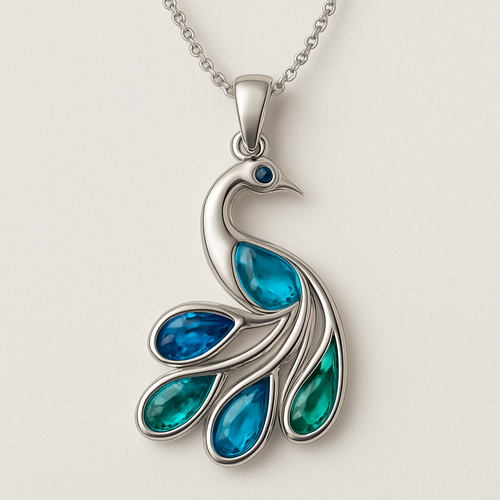
A modern peacock pendant
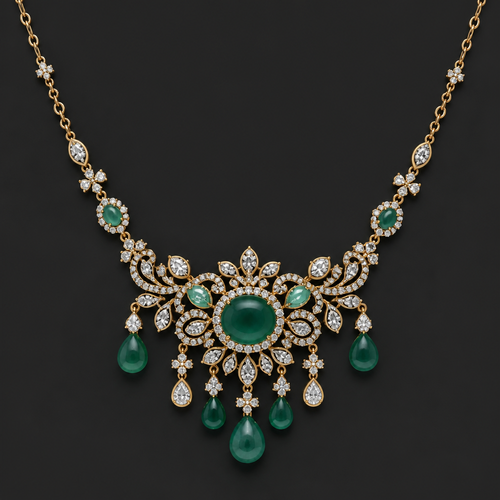
Modern
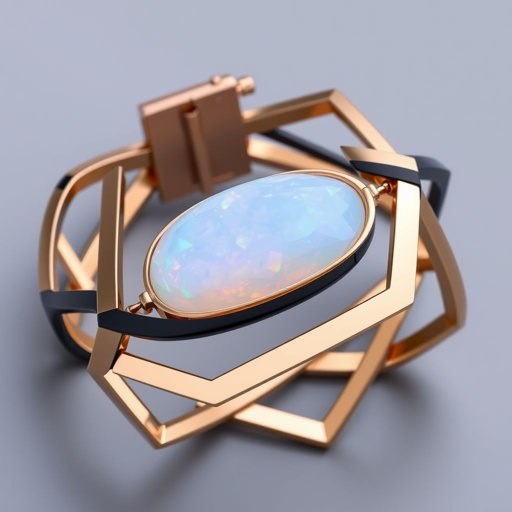
Modern
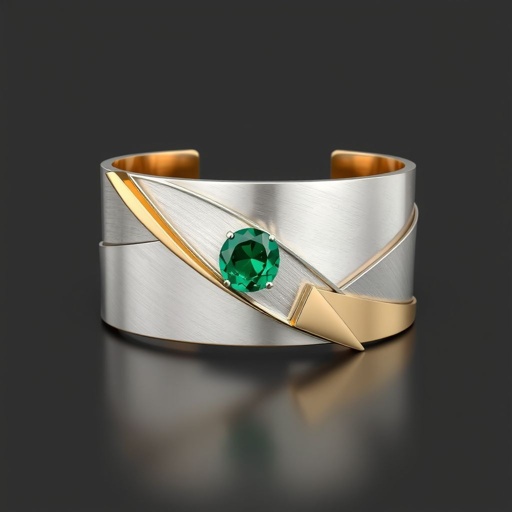
Modern